
The Avery Journal
What to Expect When Starting a Home Addition in Florida
When starting a home addition in Florida, expect a project that connects new construction to your existing home, with the possibility of hidden conditions, design changes, material delays, and temporary disruption. Ask your contractor about the projected schedule, how changes are documented and approved, and how your home will be protected during construction. Confirm any applicable permit and product requirements for your specific project rather than assuming every addition follows the same process.
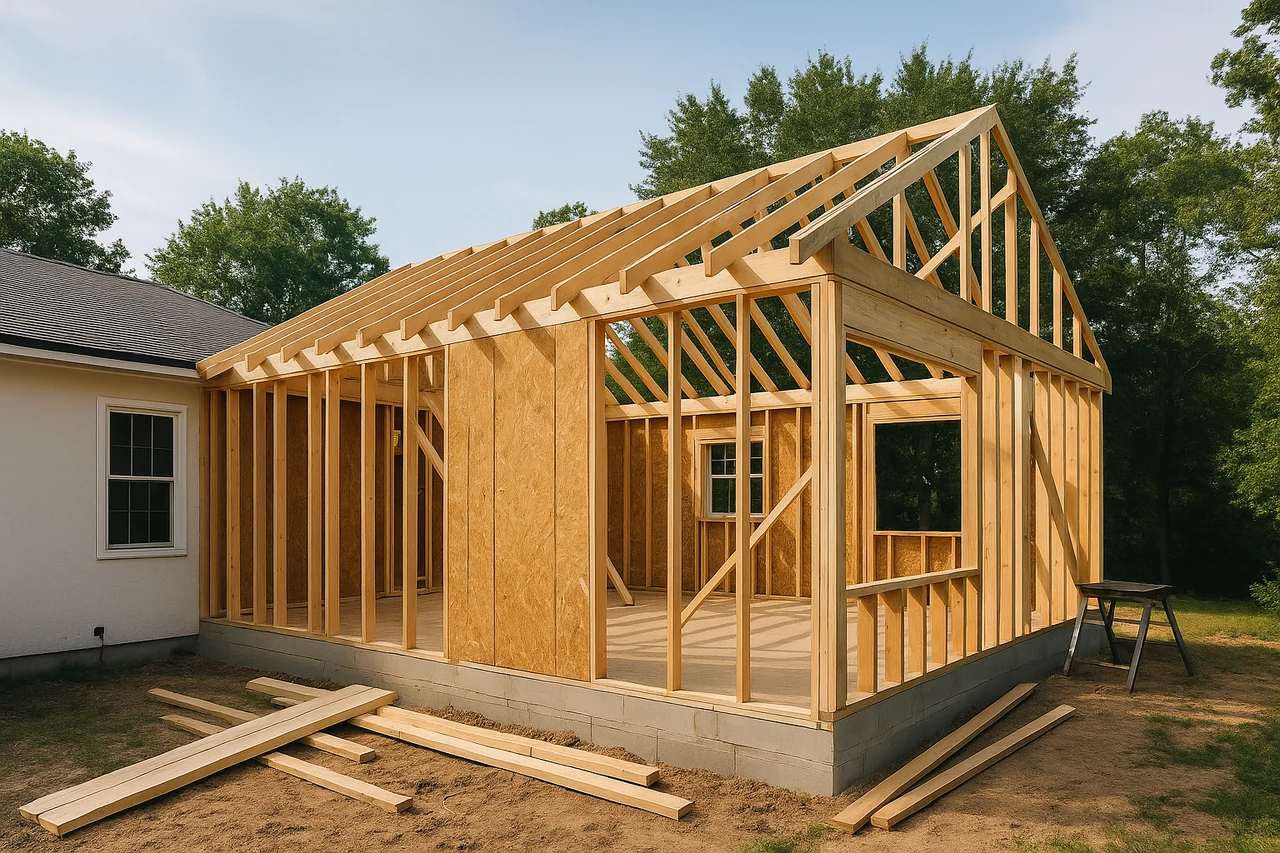
When starting a home addition in Florida, expect a project that connects new construction to your existing home, with the possibility of hidden conditions, design changes, material delays, and temporary disruption. Ask your contractor about the projected schedule, how changes are documented and approved, and how your home will be protected during construction. Confirm any applicable permit and product requirements for your specific project rather than assuming every addition follows the same process.
Once you've decided to add space to your home, it's important to know what lies ahead before the first shovel hits the ground. Additions are exciting, but they also bring a unique set of challenges that are different from other remodeling projects. Understanding what to expect can help you plan better and stay patient as your expanded home takes shape.
Here's what Florida homeowners should be prepared to discuss:
1. Timelines Vary
Unlike cosmetic updates, additions can mean digging into the ground, tying into existing structures, and opening walls. These steps add complexity—and sometimes surprises.
What this means for you:
- Excavation can reveal issues involving old plumbing, soil conditions, or the need for foundation adjustments.
- Behind the walls, your contractor may uncover outdated wiring, hidden leaks, or framing that needs further evaluation before the work proceeds.
- Dust and debris are part of the process. Even with containment measures, expect some disruption to daily life.
Pro tip: Ask your contractor about the projected timeline and what could change it. Build patience into your expectations rather than treating an initial schedule as a fixed completion date.
2. Design Changes and Change Orders Can Happen
Even a detailed plan can evolve once work begins. Sometimes it's as simple as swapping a window. Depending on the project and local requirements, that change may involve revised drawings, permit review, or confirmation that the replacement product is suitable. Ask your contractor and the local building department which requirements apply to your Florida addition.
Other common reasons for change orders include:
- Adjusting layouts once walls are opened.
- Material substitutions when items are discontinued or unavailable.
- Homeowners realizing mid-project that they'd prefer a different feature.
Not every project requires major changes, but amendments can be part of complex builds like additions.
Pro tip: Ask your contractor how change orders are documented and approved, including any effect on scope, materials, or scheduling. Clear expectations here can help reduce frustration later.
3. Materials and Scheduling Can Shift
Custom cabinetry, specialty windows, engineered trusses, and stone surfaces may require advance ordering. Availability and lead times vary, so confirm them for the products you select. A mid-project change may mean placing new orders or waiting for backordered items.
Planning factors to discuss include:
- Changes in the availability of lumber, stone, and metal.
- Additional engineering that may be needed if plans are revised.
- Special-order delays that may require rescheduling trades.
Pro tip: Identify long-lead items early and stick with your choices whenever possible. Small changes can ripple through the schedule.
4. The Real-Life Disruption
Living through an addition can interrupt your normal routines. Depending on the work, expect:
- Noise, dust, and blocked-off areas.
- Crew vehicles and dumpsters onsite.
- Temporary changes to how you use your home.
Planning ahead can make this easier. Some homeowners set up a temporary kitchen or arrange family stays away during the noisiest phases.
Pro tip: Ask your contractor about site protection, including dust walls, floor protection, and daily cleanup. Discuss what these measures can and cannot contain.
5. Keep the Everyday Benefits in View
With all the talk of delays and disruptions, it's easy to feel overwhelmed. Keeping your reasons for adding space in view can help you evaluate the choices along the way.
Potential benefits include:
- Customized living space: Plan around the rooms and features you need rather than compromising with the homes available on the market.
- Stay where you love: Gain space while remaining in your neighborhood and near familiar schools, friends, and family.
- Daily quality of life: Create more room to entertain, work, and relax in a home designed around how you live.
Final Thoughts
If you're ready to start an addition, prepare for the reality of the process. Timelines can shift, change orders may arise, and products may be delayed. Before work begins, discuss the plan, how updates will be shared, and how unexpected conditions will be handled.
Keep the goal in mind: more space, greater comfort, and a home that better fits the way you live.