

Understand the original details
Document existing materials, proportions and features before deciding what should change. Separate repair needs from later alterations and identify the elements that contribute to the property's historic character.
Avery Construction · Tampa Bay
Thoughtful restoration for designated historic properties across Hillsborough, Pinellas and Pasco counties. Begin with the details worth keeping, then consider how the building can meet today's needs without losing its character.
A repair-first approach
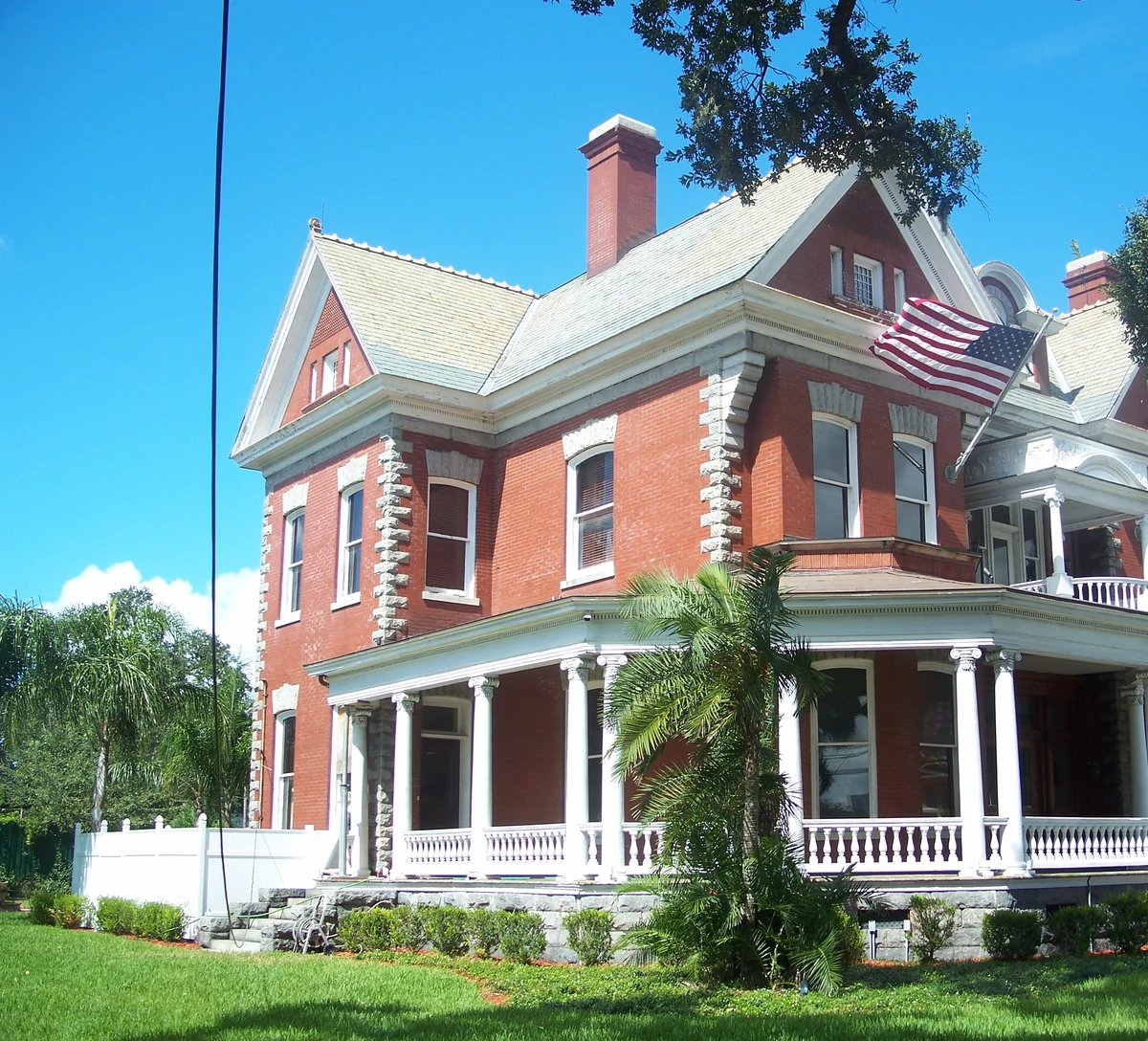
Original windows, doors, trim, masonry, porches and rooflines can tell the story of a building. Start by understanding their condition and significance, and consider repair before replacement wherever feasible. Restoration and any necessary rebuilding should be guided by what remains, reliable documentation and the applicable review requirements—not an assumed historic look.
Document existing materials, proportions and features before deciding what should change. Separate repair needs from later alterations and identify the elements that contribute to the property's historic character.
Consider kitchens, bathrooms, building systems and accessibility with care for the existing structure. Explore ways to meet everyday needs while limiting unnecessary removal of historic materials.
Where an addition or replacement is appropriate, consider its scale, materials and relationship to the original building. Rehabilitation guidance favors compatible but distinguishable new work rather than copying history without evidence.
Designation & approvals
Historic review is specific to the property and the authority responsible for it. In Tampa, changes to local historic districts, landmarks and contributing structures are reviewed for architectural appropriateness. New construction, additions and exterior repairs can require a Certificate of Appropriateness (COA).
The applicable Tampa review process may involve the Architectural Review Commission (ARC), Barrio Latino Commission (BLC) or Historic Preservation Commission (HPC), depending on the property. For properties elsewhere in Hillsborough, Pinellas or Pasco, confirm the responsible city or county authority and its requirements; Tampa's process should not be assumed to apply.
Identify the designation and proposed scope early, confirm any COA or other historic review, and establish which building permits are required before work starts. The National Park Service's rehabilitation standards provide a repair-first reference; they do not by themselves establish approval for a particular project.
Requirements vary by designation, jurisdiction, existing conditions and proposed work. Each project is considered case by case; approvals and review timelines are not guaranteed.
Before we talk
A clear starting brief helps distinguish what must be protected, what needs attention and what you hope to change. Gather what is available; missing information can be identified as an early planning question.
Practical questions
Yes. Avery serves designated historic properties in the Tampa Bay region, including Hillsborough, Pinellas and Pasco counties. The starting point is the property's actual designation, existing condition and proposed scope; suitability and requirements are considered case by case.
That depends on the designation, jurisdiction and proposed work. In Tampa, new construction, additions and exterior repairs affecting locally protected properties can require a Certificate of Appropriateness (COA) through the applicable historic review process. Confirm the required review with the authority responsible for your property before starting work. Approval is not guaranteed, and required building permits must also be confirmed.
Not by itself. National Register listing alone generally does not impose federal restrictions on a non-federal owner. Federally assisted, federally licensed or federally permitted work can trigger additional requirements, and state or local protections may still apply. Check the property's actual designations rather than assuming the listing tells the whole story.
Modern kitchens, bathrooms, building systems and accessibility needs can be explored alongside preservation priorities. Begin with retaining and repairing original features where feasible, then consider compatible changes that respect the building's character. The appropriate approach depends on existing conditions, the proposed work and any required review; replacement or new work is not assumed to be acceptable.
A considered next step
Share the property's designation, the original details you want to preserve and the changes you are considering. Begin with a conversation about the scope and the review questions that need to be resolved.
Request a Private Consultation