
The Avery Journal
The Top Bathroom Upgrades Florida Homeowners Are Searching For in 2025
The bathroom upgrades highlighted in this 2025 design roundup include spacious spa showers, thoughtfully placed soaking tubs, furniture-style vanities, performance surfaces, layered lighting, comfort features, smart controls, and universal-design details. For Florida homes, the article emphasizes balancing the desired look with storage, daily routines, waterproofing, and ventilation rather than choosing features only for appearance.
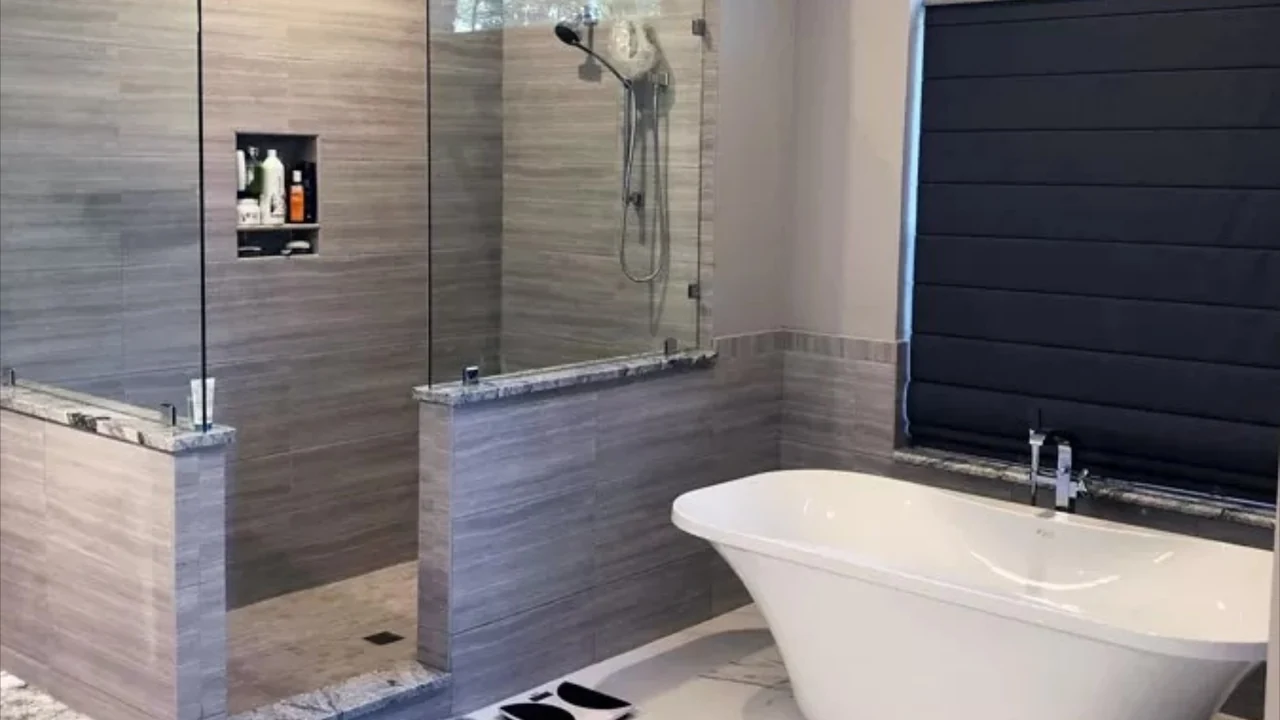
The bathroom upgrades highlighted in this 2025 design roundup include spacious spa showers, thoughtfully placed soaking tubs, furniture-style vanities, performance surfaces, layered lighting, comfort features, smart controls, and universal-design details. For Florida homes, the article emphasizes balancing the desired look with storage, daily routines, waterproofing, and ventilation rather than choosing features only for appearance.
Originally published September 19, 2025. This article is retained as historical design guidance, not a current search-volume ranking or a statement that every feature described is part of Avery’s present service offering.
When Florida homeowners picture a dream bathroom, they’re not just imagining marble and mood lighting. A spa-level experience also needs to account for humidity, maximize storage, and streamline daily routines. The design ideas below balance luxury, durability, and practical function—and offer a way to decide which belong in your project.
1) Spa Showers That Actually Feel Like a Spa
Featured upgrades:
- Oversized walk-in showers with frameless glass and low or zero thresholds for a seamless look. Discuss drainage, waterproofing, access, and cleaning needs when considering the threshold.
- Multi-head shower systems combining rain heads, handhelds, and body sprays, with thermostatic valves for temperature control.
- Steam showers with seating, aromatherapy niches, and lighting suitable for the enclosure.
- Large-format porcelain or stone slabs to reduce grout lines; maintenance needs still depend on the selected material.
Florida considerations: Plan ventilation carefully. Quiet exhaust fans with timers and vapor-management details for steam enclosures are options to discuss with the installer. Fan sizing and enclosure specifications should suit the room and selected system rather than rely on a blanket recommendation.
Design tip: Pair a rain head with a high-quality handheld. It supports the shower experience and can make rinsing the enclosure easier.
2) Statement Tubs (Used Intentionally)
Freestanding tubs can be showstoppers, but the original 2025 roundup emphasized choosing them thoughtfully:
- Sculptural soaking tubs: Consider stone resin or solid surface, comparing comfort and the selected product’s heat-retention characteristics.
- Placement matters: A tub under a window can create visual impact, but leave room for cleaning and traffic flow. Any decorative lighting nearby needs an appropriate location.
- Alternative: If you’re not a bath person, prioritize a larger shower or better storage instead. Choose functional luxury that reflects how you use the room.
Pro tip: Test tub ergonomics in person. A beautiful tub still needs to be comfortable.
3) Furniture-Style Vanities & Smarter Storage
Features to consider:
- Custom, furniture-style vanities with inset doors, integrated toe-kicks, and decorative legs.
- Internal organizers such as hair-tool pullouts and hidden hampers; plan any built-in outlets with a qualified electrical professional.
- Tall linen towers and recessed mirrored medicine cabinets for a clean look.
- Makeup stations with task lighting and shallow drawers to keep products visible.
Florida considerations: Compare cabinet materials and finishes for suitability in humid conditions. Marine-grade plywood boxes, high-quality lacquers, and durable thermofoils were among the original suggestions; verify the selected product’s bathroom-use guidance and care requirements.
4) Performance Countertops & Wall Surfaces
Surface options:
- Quartz and sintered stone: Compare maintenance and stain-resistance characteristics for the particular product.
- Quartzite: An option for natural drama; confirm sealing and care requirements rather than assuming all stone performs alike.
- Full-height splash walls: Stone or slab porcelain behind vanities can create a gallery-like effect.
Why it matters: Moisture, skincare products, and hard-water deposits are important considerations when choosing surfaces. Some delicate finishes can stain or etch. Match the material to the upkeep you’re prepared to provide.
5) Lighting Layers That Flatter (and Function)
The original lighting formula:
- Ambient: Dimmable recessed lighting or architectural cove lighting.
- Task: Vertical sconces flanking mirrors or integrated mirror lighting to help reduce facial shadows.
- Accent: A chandelier or pendant where its location and fixture rating are appropriate, or LED toe-kick and night lighting. Have a qualified professional confirm applicable requirements, especially around tubs and showers.
Design tip: Warmer color temperatures, such as 2700K–3000K, can create a spa-like feel. Review samples in the room to see how they work with skin tones and finishes.
6) Heated Floors & Comfort Upgrades
Radiant floor heating is a comfort option to consider if bathroom floors feel cool, even in Florida. Other comfort features include:
- Heated towel bars.
- Soft-close drawers and toilet seats.
- Acoustic upgrades such as solid-core doors and insulation for a quieter retreat.
Energy note: Discuss thermostat controls and zoning for the selected radiant system. Energy use depends on the product, installation, and operating habits; efficiency should not be assumed.
7) Smart Controls & Invisible Tech
The original article treated convenience as part of luxury, alongside finishes. Options include:
- Digital shower controls with preset temperatures and flow patterns.
- Smart mirrors with defoggers, lighting presets, clocks, or Bluetooth.
- Leak-detection sensors near toilets and vanities, potentially connected to a compatible whole-home system.
- Touchless faucets and integrated bidet toilets with features such as heated seats and cleaning functions.
Safety planning: Discuss suitable in-drawer outlets and GFCI protection for styling tools with a qualified electrical professional. Confirm the intended use, installation requirements, and compatibility before selecting equipment.
8) Universal Design (Planning Ahead with Style)
Aging-in-place ideas can be integrated into the room’s design:
- Curbless showers with linear drains and planned reinforcement for grab bars. Their suitability depends on the room and installation details.
- Wider doorways and slip-resistant tile: Discuss access needs and review tile ratings for the intended wet-area use; a rating alone is not a guarantee against slipping.
- Comfort-height toilets and lever handles: Evaluate how they suit the people who will use the bathroom.
Why it matters: Thoughtful planning can support changing needs without a clinical look. Choose dimensions and fixtures around actual users rather than assuming one arrangement works for everyone.
9) Moisture Management: Florida’s Silent Essential
These details may not stand out in photos, but they deserve attention in the plan:
- High-quality waterproofing systems appropriate to the selected assembly.
- Proper shower-pan construction, testing, and drainage details, including weep protection where applicable.
- Right-sized ventilation, with additional ventilation considered when the room’s layout calls for it.
- Dehumidification options for windowless ensuites.
A luxury bathroom should receive as much attention behind the walls as in front of them. Discuss waterproofing methods and installation details before work begins rather than treating them as an afterthought.
10) Palettes & Finishes from the 2025 Roundup
- Warm minimalism: Creamy whites, sand, and light oak with soft brass.
- Bold and bespoke: Deep navy, charcoal, or oxblood vanities with unlacquered brass or matte black.
- Stone drama: Vein-forward quartzites and marbles paired with quiet cabinetry, with care requirements considered during selection.
- Texture mix: Fluted vanities, reeded glass, and micro-mosaic accents used sparingly for impact.
2025 theme: Layered, collected luxury that feels serene—not staged.
Planning Priorities: Everyday Function vs. Decorative Details
Give particular attention to:
- Waterproofing and ventilation.
- Shower systems that shape the daily experience.
- Storage you’ll use every morning.
- Lighting you’ll see and use every day.
For decorative details, the original article suggested a focused feature wall rather than tile on every wall, standard-size mirrors with custom framing, and prefabricated shower niches trimmed with suitable stone remnants. Consider these as design alternatives, checking their compatibility with the room and waterproofing assembly.
Timeline & Reality Check
A bathroom project’s schedule depends on scope, material lead times, existing conditions, and any required permits or inspections. Discuss the sequence with the project team rather than treating a generic duration as a promise:
- Design and selections: Establish the layout, materials, and fixtures.
- Permitting: Confirm whether approvals are needed for the scope and allow for the relevant local process.
- Demolition and rough-ins: Coordinate the underlying work before surfaces are installed.
- Tile, cabinetry, and countertops: Plan installation around material availability and preceding work.
- Finish plumbing, lighting, and punch list: Allow for final coordination and remaining details.
Plan for unforeseen conditions such as hidden moisture, framing changes, or electrical upgrades, especially when working in an older home. Discuss how discoveries and changes will be documented and addressed.
Why Contractor Transparency Matters
Your bathroom should be a sanctuary—not a stressor. Clarity about scope, materials, applicable requirements, and project decisions helps establish expectations. In Florida’s climate, useful discussions include waterproofing systems, ventilation specifications, slip resistance, and whether any local code or flood-zone considerations affect the proposed work.
Ask for documentation that addresses:
- Scope clarity: What work and materials are included, and what remains undecided?
- Moisture-management details: Which waterproofing methods, venting approach, and humidity-suitable materials are proposed?
- Selection options: How do alternative tile, countertops, fixtures, and lighting differ in use and upkeep?
Review these details before demolition begins. This is planning guidance, not a guarantee about a particular contractor’s estimating process or project outcome.
Quick Planning Checklist
- Identify your non-negotiables: daily rituals and storage must-haves.
- Save inspiration and note what you feel in each image—calm, bold, or bright.
- Compare performance materials for Florida humidity.
- Confirm the ventilation strategy and waterproofing system.
- Allow for unforeseen conditions and agree on a process for changes.
- Choose a contractor who documents the proposed work clearly.
Final Thoughts
The bathroom ideas in this 2025 article are about more than impressing guests. They focus on elevating everyday life with design choices that feel tailored and suit Florida’s climate and the household’s maintenance needs. Whether the inspiration is a steam shower and sculptural tub or smarter storage and layered lighting, a thoughtful plan helps connect the desired look with how the bathroom will actually be used.