
The Avery Journal
The Importance of Lighting in Kitchen Remodeling
Lighting matters in a kitchen remodel because it helps you see clearly while preparing meals and shapes the room’s atmosphere. Combine task lighting at work surfaces, ambient lighting for overall illumination, and accent lighting to highlight details. In a small kitchen, natural light, reflective finishes, and proportionate fixtures can help the space feel brighter and more open.
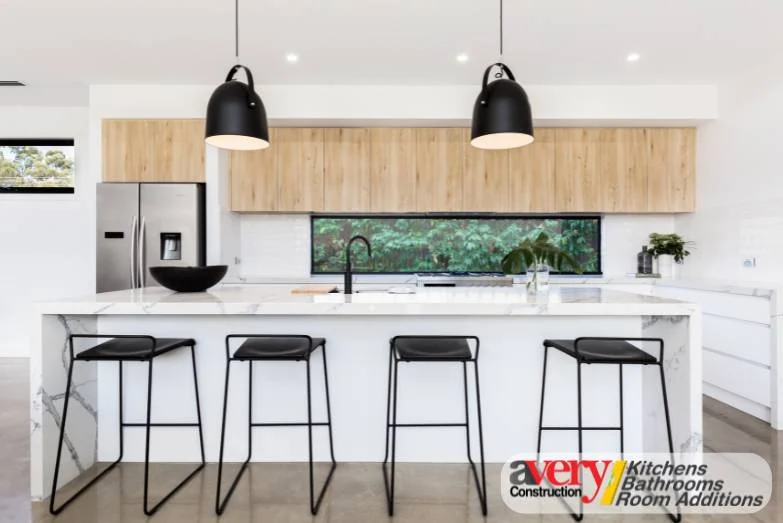
Lighting matters in a kitchen remodel because it helps you see clearly while preparing meals and shapes the room’s atmosphere. Combine task lighting at work surfaces, ambient lighting for overall illumination, and accent lighting to highlight details. In a small kitchen, natural light, reflective finishes, and proportionate fixtures can help the space feel brighter and more open.
When it comes to remodeling your kitchen, one of the most important yet often overlooked elements is lighting. While cabinetry, countertops, and appliances tend to get the most attention during a kitchen remodel, the right lighting can transform your space by improving both functionality and aesthetics. Whether you’re dealing with a large open kitchen or working within the constraints of a small kitchen, strategic lighting choices can make a difference.
This article explores the ways lighting plays a crucial role in kitchen renovations, with tips to help you brighten your kitchen and create a space that is both practical and stylish.
Why Lighting Matters in Kitchen Remodeling
The kitchen is one of the most used rooms in your home, serving multiple purposes throughout the day. It’s a place where you cook, eat, entertain, and sometimes even work. As a result, having a well-lit kitchen is important for both safety and efficiency. Adequate lighting helps you see clearly while preparing meals, supporting safer work. It also sets the tone for the room, creating an inviting atmosphere for family and guests.
Incorporating the right lighting during a kitchen remodel can enhance the functionality of the space. Whether it’s task lighting for cooking, ambient lighting for creating a warm mood, or accent lighting for highlighting special features, each type of lighting serves a distinct purpose.
Types of Kitchen Lighting
When planning your kitchen renovation, consider three main types of lighting: task lighting, ambient lighting, and accent lighting. Combining these layers can create a well-balanced and beautifully illuminated kitchen.
1. Task Lighting
Task lighting illuminates areas where specific tasks, such as food preparation and cooking, are performed. Common locations for task lighting include countertops, sinks, and stovetops.
In a small kitchen, task lighting is especially important because it helps provide adequate light in work areas without the need for bulky fixtures. Under-cabinet lighting is a popular choice, providing focused light directly on the countertop. Thoughtful placement can help limit shadows on the work surface.
For kitchens with islands or breakfast bars, pendant lights are another option. These hanging fixtures add both style and focused lighting in areas where you need direct illumination.
2. Ambient Lighting
Ambient lighting is the general lighting that fills the room. Its role is to provide overall illumination and help set the mood for the kitchen. Ambient lighting can come from recessed lights, flush-mounted ceiling fixtures, or track lighting. In a kitchen remodel, aim to distribute ambient lighting evenly throughout the space.
In a small kitchen, ambient lighting can help the room feel more open and less cramped. Recessed lighting is an option for smaller spaces because it provides illumination without a fixture projecting into the room.
3. Accent Lighting
Accent lighting adds a decorative touch to your kitchen by highlighting specific features, such as a backsplash, open shelving, or a piece of artwork. It’s the layer of lighting that adds personality and style. In larger kitchens, accent lighting can also highlight architectural features such as ceiling beams or statement cabinetry.
Incorporating accent lighting into a small kitchen remodel can add depth and character without overwhelming the space. Consider using LED strip lights to showcase glass-front cabinets or to add a soft glow beneath your countertops.
Lighting Considerations for Small Kitchens
Remodeling a small kitchen comes with its own set of challenges, particularly when it comes to lighting. Limited space means you need to be strategic about the types of fixtures you choose and where you place them. The goal is to enhance the kitchen’s functionality while helping it feel open and airy.
1. Maximize Natural Light
One way to brighten a small kitchen is by maximizing natural light. If your kitchen has windows, avoid obstructing them with heavy curtains or blinds. Light, sheer window treatments allow more sunlight into the room.
If your kitchen lacks windows, consider whether adding a skylight during your kitchen remodel is feasible. Natural light can help a small kitchen feel larger and create a warm, welcoming atmosphere.
2. Use Light, Reflective Surfaces
Incorporating light-colored materials and reflective surfaces in your kitchen design can help amplify both natural and artificial light. Glossy tiles, stainless steel appliances, and glass cabinet doors reflect light, helping the room feel brighter and more spacious. White or light-colored cabinetry and countertops can also enhance the feeling of openness.
3. Avoid Large, Bulky Fixtures
In a small kitchen, avoid oversized or bulky lighting fixtures that dominate the space. Instead, choose streamlined, minimalist options. Recessed lighting or slim LED fixtures can provide illumination without visually crowding the room.
Pendant lights can still be used in small kitchens, but choose ones that are sleek and proportional to the room. Installing pendant lights over an island or breakfast bar can provide focused light while adding a touch of style.
Energy Efficiency and Lighting
When planning your kitchen renovation, consider the energy efficiency of your lighting choices. LED lights are an option for both ambient and task lighting because they generally use less energy than traditional incandescent bulbs and have a longer lifespan. They also give off less heat, which can help limit excess warmth from lighting in the kitchen.
LED lights are available in a range of color temperatures, from cool daylight to warm, soft light. Cooler light may suit task areas, while warmer tones can create a cozy, inviting atmosphere for ambient and accent lighting. The choice depends on the effect you want in each part of the kitchen.
Smart Lighting Solutions for Modern Kitchens
Smart lighting is another option in modern kitchen design. Depending on the system, smart controls may let you adjust brightness, color temperature, and lighting schedules from a smartphone or voice-controlled device. This can be useful in a small kitchen where you want to adjust lighting levels based on the time of day or the task you’re performing.
For example, a compatible system can be programmed to brighten task lighting during meal preparation and dim it during dinner or evening hours. Remote controls and automatic shutoff settings can also help avoid leaving lights on when they are not needed.
Bringing the Lighting Plan Together
Lighting plays an integral role in a kitchen remodel, influencing both the overall look and functionality of the space. From task lighting that supports clear visibility during meal preparation to ambient and accent lighting that enhances the mood, each layer serves a distinct purpose.
When remodeling a small kitchen, lighting is especially important because it can help the space feel open while creating an inviting, practical environment. Thoughtfully combining different types of lighting and making use of natural light can help create a kitchen that meets your everyday needs.
No matter the size of your kitchen, choosing appropriate lighting can brighten the space and complement your home’s overall design.