
The Avery Journal
Shower Additions and Upgrades to Consider for Your Bathroom
A ceiling-mounted shower curtain track, frameless glass doors, matte black fixtures, shower niches, and large-format tiles are five options for updating a bathroom’s appearance and function. Before choosing upgrades, identify your priorities, consider whether the existing layout can remain, and compare materials for their suitability, maintenance, and appearance in the intended bathroom location.
A ceiling-mounted shower curtain track, frameless glass doors, matte black fixtures, shower niches, and large-format tiles are five options for updating a bathroom’s appearance and function. Before choosing upgrades, identify your priorities, consider whether the existing layout can remain, and compare materials for their suitability, maintenance, and appearance in the intended bathroom location.
Five Functional Shower Upgrades to Consider
A bathroom remodeling project can focus on changes that make the shower more useful while refreshing its style. Here are five options to consider when planning your next home improvement project.
1. Shower Curtain Track
Shower curtains can complement both contemporary and traditional bathrooms. A ceiling-mounted track eliminates the need for a conventional curtain rod and can help the space feel larger. Consider how the curtain and track will fit the room’s overall style.
2. Frameless Doors
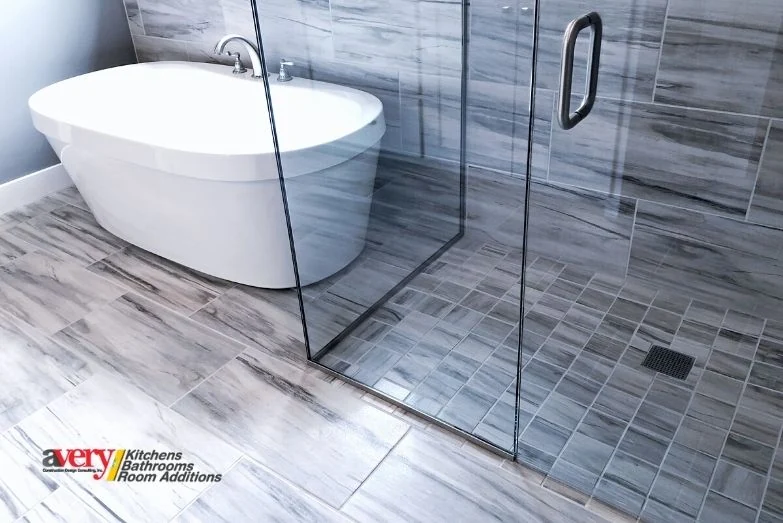
Frameless shower doors suit minimalist styles and offer a clean, uncluttered appearance. Clear glass also gives distinctive shower tile a chance to stand out.
Cleaning needs depend on the glass, hardware, and care requirements of the selected enclosure. If someone in the household has mobility challenges, evaluate the actual entry layout and door opening rather than assuming that a frameless enclosure alone improves accessibility.
3. Matte Black Additions
For bathroom remodel ideas that change the room’s look, consider matte black fixtures as an alternative to chrome. This finish can give the bathroom a sleeker appearance and pairs well with a range of colors, particularly neutral palettes.
Dust may be more noticeable on a dark finish. Resistance to water marks, fingerprints, and smears varies by product, so review the selected fixture’s care instructions rather than assuming that every matte black finish performs the same way. A damp microfiber cloth may be appropriate where the manufacturer recommends it.
4. Shower Niches
A shower niche provides a place to organize bathing products within the shower. Options include a custom tiled niche or a prefabricated unit. Consider shelves to separate items and avoid overcrowding the storage space.
A contrasting color inside the niche can add a visual accent to the bathroom. Glass, marble, and ceramic are among the material options discussed in the original article, but their suitability depends on the selected product and installation.
Waterproofing deserves attention regardless of the finish material. For a prefabricated niche, review its waterproofing system and installation requirements; a membrane is not simply a means of holding the niche in place. Have the proposed niche location and installation reviewed so that waterproofing and any effect on the existing shower construction are addressed.
5. Large-Format Tiles
Large-format tiles can create an expansive feel in smaller showers and a continuous visual effect in larger ones. They offer an alternative to smaller tiles when the goal is a modern appearance.
Using larger tiles can reduce the number of grout joints, leaving fewer joints to clean. Porcelain is one material to consider, but select a product suitable for its intended shower location rather than assuming a universal durability advantage.
Preparation Tips Before Starting Shower Upgrades
Before removing a wall or replacing fixtures, define what the project needs to accomplish. The amount of preparation depends on the changes being considered, whether the work is a focused shower update or a broader bathroom renovation.
1. Plan and Prioritize Changes
Decide what you wish to change about the bathroom and separate must-have improvements from optional additions. Making these decisions before work begins can help limit changes to the plan halfway through the project.
2. Consider Keeping the Original Footprint
Consider whether the existing bathroom layout can meet your needs. Preserving the footprint may allow the plan to retain existing walls, plumbing lines, and wiring rather than relocating them.
Do not assume that keeping the footprint determines the project’s duration or permit requirements. Those questions depend on the actual work and applicable local requirements.
3. Compare Renovation Alternatives
Compare alternative materials and fixtures, and decide which additions matter most to the overall design. Appearance is only one consideration: review each option’s suitability for its location and its maintenance needs.
- Walls: Separate areas in direct contact with shower water from other bathroom walls. The original article suggests drywall or wood panels for some wall sections and tile for moisture-exposed areas. Do not assume that a particular drywall or wood product is suitable for a wet location; confirm its intended use before including it in the plan.
- Flooring: Compare laminate, stone, and stone-look ceramic options based on the specific product’s suitability for the intended bathroom location. A similar appearance does not mean that two materials have the same installation or care requirements.
- Shower enclosures: Compare glass, stone, acrylic, and a track-mounted curtain according to the enclosure design and the look you want.
- Shower hardware: Decide whether the showerhead alone needs replacing or whether the handle and shower spout should also be part of the update. A focused hardware change may be enough for the intended refresh.
- Countertops: Alongside stone, consider prefabricated slabs or tile as design alternatives. Compare the appearance and maintenance requirements of the specific materials.
Bathroom updates can add character to the shower and improve its usefulness. Choose the combination of upgrades that best supports the room’s layout, storage needs, and intended style.