
The Avery Journal
How to Save on Your Kitchen Remodel Project
To manage kitchen remodeling costs, start by considering which cabinets and layout elements you can retain. Compare replacement options carefully, prioritize the features that matter most to you, and make a detailed budget that includes incidental costs. Planning purchases and choosing designs with lasting appeal can help keep the project focused on your needs.
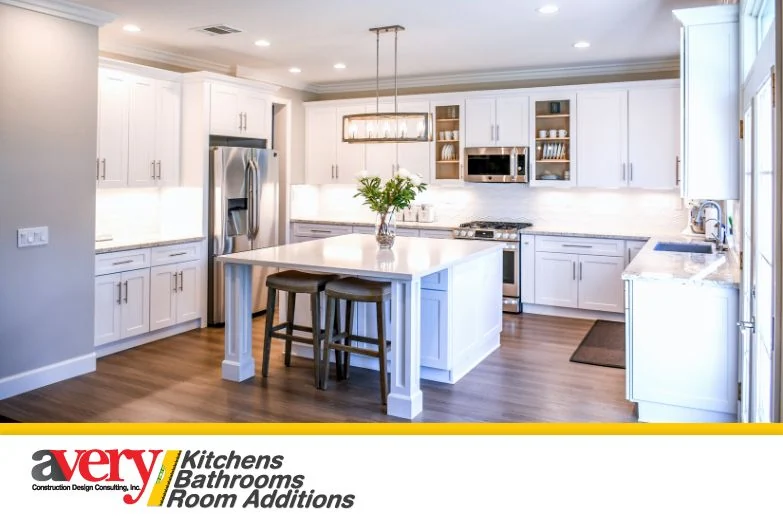
To manage kitchen remodeling costs, start by considering which cabinets and layout elements you can retain. Compare replacement options carefully, prioritize the features that matter most to you, and make a detailed budget that includes incidental costs. Planning purchases and choosing designs with lasting appeal can help keep the project focused on your needs.
Ten Tips to Help You Save on Your Kitchen Remodel
A kitchen remodeling project can range from updating selected finishes to an extensive kitchen renovation. Before deciding how much to change, consider what already works in your kitchen and where an update would be most useful. The following ideas can help you plan the project with care.
1. Retain the Cabinetry
New cabinetry, especially custom designs, can be a substantial part of a kitchen remodel. If your existing cabinets are suitable for continued use, consider updating them rather than replacing them.
- Paint: A fresh finish can change the look of your kitchen. White cabinets can create an airy feel, while green can bring an outdoor-inspired color into the room.
- Refacing: Consider updating cabinet fronts and hardware. Discuss the scope with an experienced contractor before committing to this more extensive change.
- Hardware: Replacing knobs or pulls may be enough to refresh the cabinets. Copper knobs can add color, while matte integrated finger pulls can suit a minimalist look.
- Shelving: Consider open shelving if you prefer a more open, commercial-inspired appearance.
2. Plan Appliance Purchases
Plan appliance purchases alongside the rest of your remodel rather than leaving them until the last moment. Consider the items you need and when they will be needed for the project. A planned purchase schedule lets you compare options before making a decision.
3. Consider Ready-to-Assemble Cabinets
If you want new cabinetry, ready-to-assemble cabinets are one option to compare. Getting the right fit can be challenging, so accurate measurements matter. Consider working with experienced home remodeling contractors to assess the fit before ordering.
4. Choose the Right Countertops
Consider durability as well as appearance when choosing countertops. Compare marble, granite, and other stone options for their suitability for your kitchen rather than choosing only by their look.
Butcher block is another option to consider. Compare the material, fabrication, and installation requirements of each choice rather than assuming that one countertop type will always cost less or last longer.
5. Experiment with the Backsplash
Tile is not the only way to update a backsplash. Paint and beadboard are other ideas from the original article to discuss when planning your kitchen. Compare their suitability for the intended location and the work involved before choosing a finish.
6. Retain Your Existing Kitchen Layout
Changing the kitchen layout can add work to the project. Moving a sink, for example, may involve changes to plumbing and pipe installation. Discuss that work with a qualified plumbing professional.
If the existing layout meets your needs, retaining it can limit the scope of the remodel. Existing flooring is also worth considering for retention if it remains suitable for the planned changes.
7. Identify a Priority Feature
Balance spending across the project by deciding which features matter most to you. Light fixtures may be worth prioritizing because lighting affects both how the kitchen functions and its atmosphere.
Additional windows are another feature to consider where appropriate for the space, particularly if natural light is a priority. Ventilation deserves attention too. If an exhaust fan is part of your plan, discuss its suitability and installation requirements before proceeding.
8. Consider Floor-Model Appliances
Floor-model appliances or items with minor cosmetic imperfections are another option to evaluate. Consider the condition of the specific item and whether any imperfections are acceptable to you. Do not assume that every display appliance will be suitable for your remodel.
9. Look Beyond Trends
Trends can provide inspiration, but consider whether a design has lasting appeal for your household. Evaluate the durability of the materials and whether you expect to enjoy the look over time. An experienced interior designer can help you assess the choices before you commit to them.
10. Make a Detailed Budget
Draft a detailed budget and use it to guide your decisions throughout the kitchen remodel. Include incidental costs rather than accounting only for the main purchases.
If a particular theme or design is important to you, consider setting aside funds and scheduling the project later rather than committing before you are prepared.