
The Avery Journal
Why Renovating Your Home Might Be the Best Way to Achieve Your Dream Home
Renovating your current home may be a good way to achieve your dream home if you want to keep your location and the features you already love while changing the spaces that no longer suit you. It offers an alternative to buying, selling, and relocating, with opportunities to tailor your kitchen, bathroom, layout, or additional rooms to your needs. The right choice depends on the work involved and the practical demands of each option.
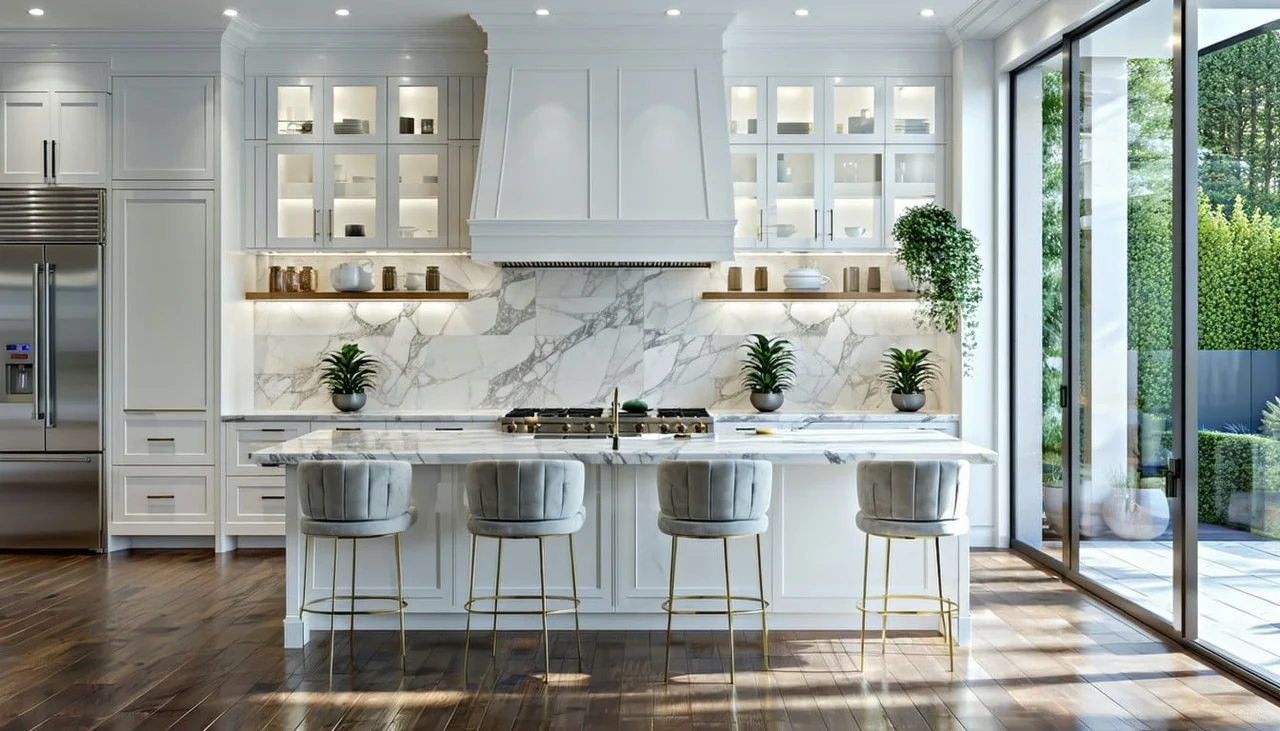
Renovating your current home may be a good way to achieve your dream home if you want to keep your location and the features you already love while changing the spaces that no longer suit you. It offers an alternative to buying, selling, and relocating, with opportunities to tailor your kitchen, bathroom, layout, or additional rooms to your needs. The right choice depends on the work involved and the practical demands of each option.
When you envision your dream home, what do you see? A spacious kitchen? A luxurious bathroom? A beautiful sunroom to enjoy the Florida sunshine? Whatever your dream may be, renovating your current home is one way to explore getting there.
While moving to a new home may seem like an easy solution, buying, selling, and relocating involve costs and logistics. Home renovation offers a chance to transform your current space without necessarily moving to a new neighborhood. Here are five reasons to consider it.
1. Compare the Practical Costs of Renovating and Moving
The first question when considering a move is often, “What will it involve?” Looking beyond the property itself can help you compare the two options. When moving, consider:
- Down payments and closing costs: These are part of planning for a home purchase.
- Real estate agent commissions: Consider any commissions associated with selling your existing home.
- Moving expenses: Hiring professionals or renting a truck adds another planning factor.
- Home inspections and appraisals: These can involve fees when buying a property.
Renovating also requires its own spending decisions. Remodeling your kitchen or adding a room lets you focus on particular changes in your existing home, but it should not be assumed to cost less than moving. Compare the proposed renovation work with the full demands of buying and relocating.
A renovation plan should focus on the improvements that matter most to you rather than relying on a promised financial outcome.
2. Avoid the Hassle of Packing, Moving, and Settling In
Packing up everything you own and moving it to a new location is a major task. Think about the time, effort, and stress involved in:
- Sorting through and packing your belongings.
- Finding moving companies and managing the logistics.
- Unpacking and settling into a new environment.
If you have been in your current home for a while, you may have accumulated memories, relationships with neighbors, and a deep connection to the area. Renovating offers a way to retain those connections while changing your home.
Renovation is not necessarily less disruptive to day-to-day life, however. The work itself can affect your routine. Careful planning and project management should account for that disruption rather than assume it will disappear.
3. Keep the Features You Love—and Update What You Don’t
One of the best things about renovation is that you can focus on keeping the aspects of your home you love. Whether it is the location, views, or parts of the layout, a renovation plan can preserve what works while exploring custom improvements that suit your needs.
- A larger kitchen: Consider whether expanding or modernizing the cooking space would better serve your household.
- A primary bathroom retreat: Explore a bathroom design that fits your style.
- An extra bedroom or home office: Consider how an additional functional room could fit into the home's design.
These ideas depend on what is feasible for the existing home. Your plan can incorporate personal preferences, whether you are considering a smaller remodel or a major overhaul, without requiring you to start over in a new location.
4. Consider Your Home’s Long-Term Appeal Without Buying and Selling
Finding a home that fits your needs can take effort. Even when you find something you love, selling your existing home and buying another can be time-consuming and stressful.
Renovation lets you focus on your current property rather than searching for another one. Adding curb appeal, exploring additional space, or upgrading a kitchen or bathroom may affect the home's appeal, but an increase in market value is not assured. Consider these changes for their usefulness to you rather than treating them as a certain financial payoff.
Choosing to renovate can also avoid the process of negotiating offers and coordinating a permanent move, although the renovation brings its own planning demands.
5. Flexibility and Customization
When you buy a home, you begin with the layout, design, and features it already has. Renovating your current home gives you an opportunity to tailor selected spaces to your preferences.
An open-concept floor plan or a spa-like bathroom may be part of your vision. From floor plans to interior design, a renovation can offer choices, but not every desired change will be feasible. The plan should reflect the possibilities and limitations of your home.
Both larger renovations and smaller updates can be considered in terms of how well they address your priorities.
Conclusion: Turn Your Current Home Into Your Dream Home
Renovating is an opportunity to make your space more personal while keeping the setting and features you already enjoy. It may be the right alternative to moving when the changes you want can be achieved in your current home.
Begin by identifying what you want to keep, what you want to change, and what each option would involve. A thoughtful plan can help you decide whether your dream home starts with the house you already have.