
The Avery Journal
Do You Need a Bathtub in Your Master Bathroom?
A bathtub is not essential in every master bathroom. If you enjoy soaking, a tub may be an important part of your design; if you primarily shower or need more usable space, a walk-in shower may fit your routine better. Consider your household's needs, whether another bathroom has a tub, and possible future buyer preferences before deciding.
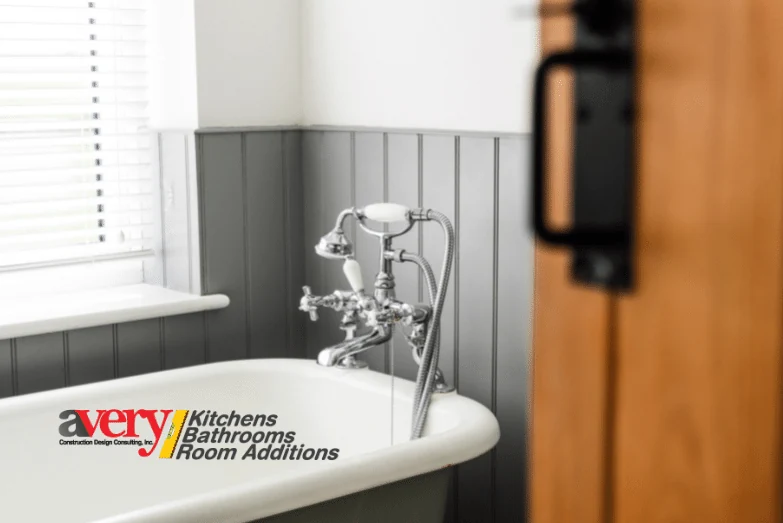
A bathtub is not essential in every master bathroom. If you enjoy soaking, a tub may be an important part of your design; if you primarily shower or need more usable space, a walk-in shower may fit your routine better. Consider your household's needs, whether another bathroom has a tub, and possible future buyer preferences before deciding.
How Do You Determine if a Bathtub Is Right for Your Master Bathroom?
Your bathroom can be a place to relax and rest, and that is often a big part of bathroom design. For some people, relaxing means taking a long soak in the tub. For others, it means a quick shower to unwind after a long day. Whether you need a master bathtub therefore depends on your personal preferences and how you actually use the room.
If you rarely have time for a bath, a large tub may not be the best use of your bathroom space. Before choosing a no-tub layout, however, consider whether the decision also suits the rest of your household and your plans for the home.
If resale is one reason for your bathroom renovation, buyer preferences about bathtubs can be a planning consideration. Families with small children may appreciate having a tub somewhere in the home; it does not necessarily have to be in the master bathroom. Buyers looking for a luxury-style bathroom may also value a master bathtub, but that is a preference to consider rather than a universal requirement.
A tub should not be treated as a promise of a higher sale price or a larger profit. If you expect to sell, weigh possible buyer preferences alongside the layout and other bathrooms in the home. If you plan to stay, focus on the design that best fits your needs.
Sometimes the main priority is simply gaining more usable bathroom space. The following bathtub and shower options offer different ways to approach that decision.
Choosing the Right Bathtub
A bathtub can make a strong visual statement in a bathroom. It may become the centerpiece that establishes the room's style and theme, but not every type of bathtub works for every person or home.
Here are three options to consider.
1. A Standalone Bathtub
A standalone tub can include a classic clawfoot or slipper-style bathtub. These designs need room around them, so consider how the tub will fit into the bathroom rather than choosing it for appearance alone. The available floor area and surrounding space are important planning factors.
2. A Whirlpool Bathtub
A whirlpool bathtub can bring a spa-like feeling to a home bathroom. Homeowners who enjoy soaking may choose one for relaxation as well as its appearance. Decide whether that bathing experience suits your routine and the space you have available.
3. A Tub-Shower Combination
A bathtub and shower combination offers both bathing options in one area. It is a versatile design when you want to retain a bathtub without giving up the option of a shower, especially where space is limited.
A combination does not have to look dated. An accent wall can create a focal point, while glass shower doors can help the room feel more open and airy.
Does a Walk-In Shower Make More Sense Than a Tub?
Replacing a master bathtub with a walk-in shower may improve the room's functionality, depending on the layout and your needs. Consider these potential benefits:
- More usable bathroom space. A shower-focused layout can provide more design options and may leave room for additional storage. The result depends on how much space the tub currently occupies and how the new shower is arranged.
- Cleaning and upkeep. A shower may be simpler to clean and manage than a large tub, but the design and finishes matter. Consider the cleaning needs of the layout you choose rather than assuming every shower will require less upkeep.
- Accessibility. A walk-in shower can be designed to accommodate someone who uses a wheelchair. Accessibility depends on the entry and layout; the label “walk-in” alone does not establish that a shower is suitable for wheelchair use or eliminate the risk of falls.
Planning Your Master Bathroom Remodel
Not every master bathroom needs a bathtub. A tub can be an attractive addition if you love soaking, while a shower-focused layout may be more useful if that is how you prefer to bathe. If you may sell the home, consider buyer preferences without assuming that a tub will increase its value.
The key is to choose a design that suits the way you live and a contractor who is appropriate for the project. Work through the tub-versus-shower decision as part of the overall bathroom layout, rather than treating either option as a requirement for every home.