
The Avery Journal
11 Benefits of a Large Kitchen Island
A large kitchen island can add storage, meal-preparation space, appliance options, and a central place for dining or gathering. Its drawers, cabinets, and shelving can help keep everyday items organized, while the design can complement the rest of the kitchen. These benefits depend on the available space and how the island fits the room's layout.
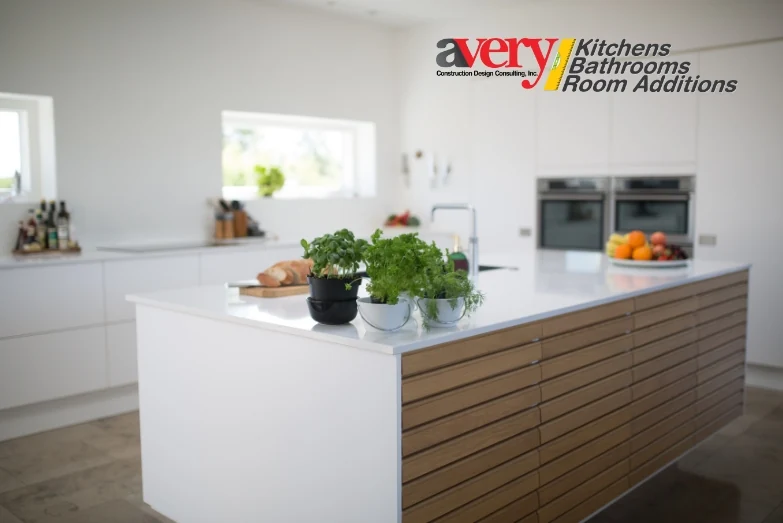
A large kitchen island can add storage, meal-preparation space, appliance options, and a central place for dining or gathering. Its drawers, cabinets, and shelving can help keep everyday items organized, while the design can complement the rest of the kitchen. These benefits depend on the available space and how the island fits the room's layout.
What are some of the benefits of installing a large kitchen island?
A large kitchen island can be a functional addition for cooking and storage. It can also serve as an area for gathering with family and friends while preparing a holiday meal.
Storage space: An island can hold larger items that would otherwise clutter the kitchen, with drawers for smaller items. Depending on its design, it may also accommodate an under-counter refrigerator or cooking appliance. The top provides additional space for food preparation and serving.
Appliances: An island may offer another location for cooking appliances when the existing layout is limited. A microwave, rice cooker, or other small appliance can also have a designated place rather than taking up the kitchen's other countertops. Appliance choices need to fit the island and the overall kitchen layout.
11 Benefits of a Large Kitchen Island
1. Storage Space
An island can be designed with a variety of storage areas for items that would otherwise clutter countertops. This can help the kitchen feel more open while keeping everyday essentials nearby. Even with a large island, smaller items need designated places so they do not get lost among larger items. Drawers and cabinets can help keep food, utensils, and other kitchen supplies organized.
2. Appliances
Some island designs include built-in cooking appliances and an under-counter refrigerator, bringing more meal-preparation functions into one area. A large pan drawer or an additional prep area can add useful storage or work space. The design can be tailored to the appliances you use, rather than assuming that every island needs a stove. Its size and shape should fit the room, and built-in appliances depend on the layout and required connections.
3. Functionality
Beyond extra storage, an island provides another work area in the kitchen. In a suitable layout, it can support cooking, eating, and gathering in the same space. It may be useful for preparing meals while spending time with family, or for entertaining friends without separating the cook from the group. An island does not create an open floor plan by itself; its usefulness depends on how it works with the surrounding kitchen.
4. Home Décor
An island can contribute to a more welcoming kitchen and become part of the overall décor. It does not have to be the room's focal point: it can also be a subtle addition that works with the existing design scheme. Its appearance should be considered alongside its practical functions, so the island fits the kitchen rather than feeling like a separate piece.
5. Kitchen Management
Storage, appliances, and workstations can allow several tasks to happen at once during meal preparation. Baskets can contain small items and make storage more organized. Coasters under glasses and suitable protection beneath dishes can help limit marks and moisture on surfaces. Additional storage can provide a place for tableware used during family gatherings. Where the design and plumbing allow, a secondary sink may also support cleanup when there are many dishes.
6. Cleaning
An island's work surface and storage areas need to remain practical to clean. If the design includes a sink, consider how pots and pans will be stored in the cabinet area beneath it. A dishwasher may be another feature to consider as part of the layout. Baskets and shelves inside the island can help reduce clutter and make it easier to keep stored items in order.
7. Keeping Smaller Items in Place
An island can include a drawer or cabinet for cutlery and smaller cooking utensils. Having a designated place for these items can be convenient while cooking and help avoid leaving them scattered around the kitchen. This is an organizational benefit, not a claim that an island provides protection against intruders or secures valuables.
8. Dining
An island can provide a central place for casual meals as well as food preparation. It may also give children a place to do homework while family members prepare a meal nearby. If dining is part of the plan, consider how that use fits alongside cooking and storage. A refrigerated drawer is another optional feature mentioned in the original article, subject to the island's design. Keep the gathering area organized so it does not become cluttered.
9. Occasional Tables
An island can serve as an additional dining or serving surface when socializing with family and friends. It may be useful for impromptu dinners and parties without needing extra decorative elements. Rather than assuming it can be converted into a separate table, consider how the island's existing surface can support occasional meals and entertaining within the kitchen layout.
10. Exteriors
An outdoor island may be an alternative gathering and preparation area when an indoor kitchen cannot accommodate a large one. The original article also suggests a seasonally enclosed outdoor setting. These are separate planning possibilities, not options that will suit every yard: the location and enclosure need to be assessed as part of the outdoor design.
11. Shelving
The storage area inside an island can include shelving to help keep items organized. If shelving is not part of the initial design, consider whether the available interior space can accommodate it. Hooks may provide another way to organize suitable kitchen items. Choose durable materials that can withstand repeated use during everyday meals and family gatherings.
A kitchen island can be functional, a focal point, or both. It can support dining and entertaining while providing useful storage and preparation space. An existing kitchen may have room for an island without removing walls, but that is not assured. The available space, island size, appliance needs, and overall layout should guide whether the addition is suitable.