
The Avery Journal
Kitchen Remodeling Mistakes to Avoid
Common kitchen remodeling mistakes include underestimating the budget, skipping professional help where it is needed, prioritizing appearance over function, choosing countertops without considering maintenance, and overlooking storage, lighting, and future needs. Take time to plan the layout and materials, prioritize essential elements, and work through the design before starting the remodel.
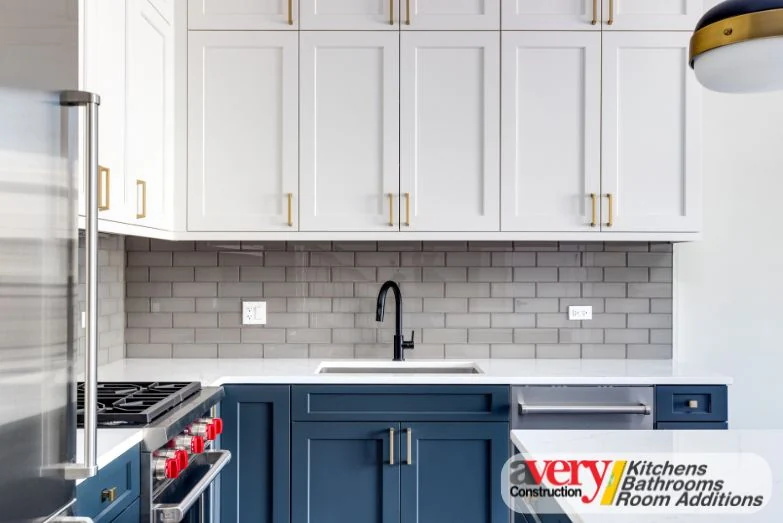
Common kitchen remodeling mistakes include underestimating the budget, skipping professional help where it is needed, prioritizing appearance over function, choosing countertops without considering maintenance, and overlooking storage, lighting, and future needs. Take time to plan the layout and materials, prioritize essential elements, and work through the design before starting the remodel.
Kitchen remodeling can enhance your daily life, but like any big project, it comes with challenges. Mistakes can be costly, time-consuming, and frustrating. To help you avoid common pitfalls, here are mistakes to watch for during your custom kitchen remodel.
1. Not Setting a Realistic Budget
One of the most important parts of planning a kitchen remodel is setting a realistic budget. Many homeowners underestimate the remodel cost, which can lead to unexpected expenses. Before diving into the project, consider the size of your kitchen, the materials you choose, and the complexity of the design. These factors affect the resources your remodel will require.
Plan for unexpected costs that might arise during the project. Prioritize essential elements like countertops, cabinets, and appliances over optional items like decorative lighting or custom doors. A well-planned budget can help you keep track of priorities and make decisions as the project develops.
2. Skipping Professional Help
While it might be tempting to handle parts of the remodel yourself, certain aspects of a custom kitchen remodel are best discussed with qualified professionals. Their expertise and experience can help you identify potential problems. DIY mistakes may require additional work to correct.
Professionals can help you consider both function and appearance. From installing cabinets to checking that countertops are level, skilled contractors can address issues that might cause problems later on. Discuss applicable local building requirements and safety standards with qualified professionals; hiring a contractor alone should not be treated as a guarantee of compliance.
3. Ignoring Functionality
One of the biggest mistakes homeowners make when remodeling their kitchen is focusing too much on aesthetics and not enough on functionality. A beautiful kitchen is great, but if it’s not functional, you’ll quickly become frustrated.
Consider how you use your kitchen daily. Do you need more counter space for meal prep? Are your current cabinets too high or too low? Think about how you move around your kitchen and make sure the layout works for your needs.
An efficient layout is often described through the “kitchen triangle”—the relationship between the sink, stove, and refrigerator. Keeping this triangle in mind during your custom kitchen remodeling project can help you assess movement between these areas, but the layout still needs to suit your everyday use.
4. Choosing the Wrong Countertops
Countertops are one of the most used surfaces in your kitchen, so choosing the right material is essential. Homeowners often make the mistake of selecting countertops based solely on appearance rather than durability and maintenance needs. For example, marble can be susceptible to staining, and its sealing needs depend on the particular material and finish. Check the care requirements for the countertop you are considering.
Consider your lifestyle when choosing countertops. If you cook often and need a durable surface, compare options such as quartz and granite with your practical needs in mind. If you’re looking for a sleek, modern look and don’t mind upkeep, materials like stainless steel or marble may also be worth considering. Appearance alone should not decide the choice; compare the maintenance requirements of the specific products.
5. Overlooking Storage Needs
Storage is a crucial element in any kitchen, yet it’s often overlooked during a remodel. Many homeowners assume that adding a few extra cabinets will solve their storage issues, but it’s important to think about how you use your storage.
Custom kitchen cabinets can be planned around your specific needs and the available space. Consider features like pull-out drawers, lazy Susans, and custom shelves that can help you stay organized. If you have odd-sized items, discuss cabinet dimensions and access needs during the design process rather than assuming standard storage will accommodate them.
6. Not Considering the Future
When planning a kitchen remodel, it’s easy to focus on what you need right now. However, it’s important to think about your future needs as well. For example, if you plan on selling your home in the next few years, you may want to consider a design that appeals to potential buyers.
Classic styles and neutral colors may appeal to future homeowners, though preferences vary. While bold choices like brightly colored cabinets or trendy materials may be popular today, they may not have the same appeal in a few years. If future buyer appeal is a concern, consider how lasting design elements balance with your own preferences while keeping your own daily needs central.
7. Forgetting About Lighting
Lighting is often one of the last things homeowners think about during a remodel, but it’s a critical part of the design. The right lighting can make your kitchen feel warm and inviting, while poor lighting can make even a beautiful space feel cold and unwelcoming.
Consider adding a mix of lighting types, such as ambient lighting for general use, task lighting for work areas like countertops and the stove, and accent lighting to highlight special features. Work through a lighting plan with your designer so it complements your overall design and meets your practical needs.
8. Rushing the Design Process
A kitchen remodel is a major investment, so it’s important to take your time during the design phase. Rushing through this stage can lead to regrets down the road. Take the time to think through every aspect of your remodel, from the layout to the materials to the overall style.
Custom kitchen remodeling allows you to plan a space that reflects your taste and needs. Work closely with your designer to review the details. A well-thought-out design can help you balance appearance with function and consider how you want to use the kitchen over time.
Planning a Practical Kitchen
A custom kitchen remodel is an opportunity to transform your home. Avoiding common mistakes starts with careful planning. By setting a realistic budget, involving qualified professionals where needed, focusing on functionality, and paying attention to details like lighting and storage, you can work toward a kitchen that’s both beautiful and practical.
Use the design process to weigh your options and make decisions that fit your home. Careful planning and thoughtful collaboration can help you address these common pitfalls before work begins.