
The Avery Journal
Contractor Tips for Budgeting for Your Kitchen Remodel
A kitchen remodel budget should reflect your priorities, the features you want to keep or change, and the disruption the work may bring. Start with a spending range, consider whether existing cabinets and electrical locations can remain, and plan for unexpected issues, temporary lodging, and meals away from the kitchen. Be selective about optional extras so the project stays aligned with your priorities.
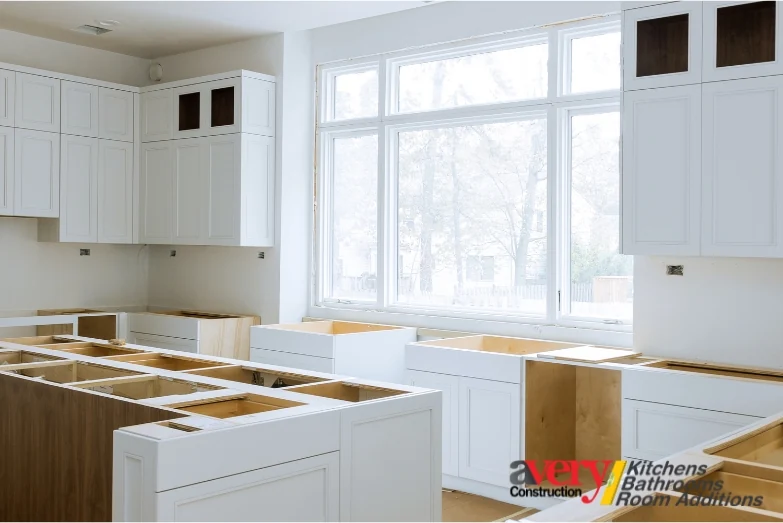
A kitchen remodel budget should reflect your priorities, the features you want to keep or change, and the disruption the work may bring. Start with a spending range, consider whether existing cabinets and electrical locations can remain, and plan for unexpected issues, temporary lodging, and meals away from the kitchen. Be selective about optional extras so the project stays aligned with your priorities.
Tips for budgeting for your kitchen remodeling project
Kitchen renovation or remodeling can be an exciting home improvement project. There are many options to consider, including paint, appliances, flooring, lighting, and cabinets. With so many choices, a budget can grow beyond what you originally intended. The following planning tips can help you prepare for a conversation with kitchen remodeling contractors.
Decide on a low and high amount
Before contacting a professional installer, decide how much you want to spend. Establish a lower and upper end of your budget so that you have a range to work with. This gives you a starting point for discussing the work and deciding which choices fit your plans.
Consider using your existing cabinets
New cabinets can represent a significant part of a kitchen remodeling budget. Consider whether your existing cabinets could remain in place instead. Updating them may help change their appearance and coordinate them with the rest of the kitchen. Discuss their condition and the changes you want before deciding whether keeping them makes sense.
Make a list of renovation priorities
There is a difference between what you want and what you must have. Make a list of your kitchen renovation priorities, starting with the details you cannot do without and moving down the list from there. This can help you manage the budget while keeping the features that matter most to you in focus.
Figure out what is important to you
This goes along with renovation priorities, but it is slightly different. Decide what matters to you about your kitchen's appearance, functionality, workflow, and how you would like to use each area.
Once you have identified those needs, integrate the relevant features into your priority list. Then work with the kitchen remodeler to discuss what may be possible within your budget.
Be ready to handle the unexpected
Discuss the anticipated schedule and details of the work before the project begins, while allowing for uncertainty. Contractors may discover issues when removing existing items from the kitchen, such as previously undetected floor damage or electrical and plumbing problems. These discoveries can affect the work and your budget, so include room in your planning to address them rather than assuming everything will proceed as expected.
Decide if you need to stay in a hotel
A full kitchen remodel can be disruptive, including noise from the work. Consider whether your household would prefer to stay elsewhere during some of the project. If a hotel stay is part of your plan, include temporary lodging in your budget rather than treating it as an afterthought.
Factor in the cost of eating out
Depending on the work being done, some or all of your kitchen may be unavailable during the remodel. This can be difficult if you usually prepare meals at home. Discuss kitchen access with the remodeler and plan for meals away from home when needed. Include those meal arrangements in your budget.
Consider keeping lights and outlets where they are
Changing the electrical setup, such as adding outlets or moving lights, can add to the scope and cost of a kitchen remodel. Discuss whether the existing locations are suitable for the planned kitchen before deciding to move them. However, old or potentially unsafe wiring should be evaluated rather than left unchanged solely to limit spending.
Be selective about extras
The many features available for kitchens can make it difficult to stick to a remodeling budget. Smart appliances and kitchen islands are examples of optional features whose requirements can add to the project. Repeatedly adding extras can push the work beyond your original priorities. Choose the features that fit your budget and needs, and leave out optional additions that do not.