
The Avery Journal
How to Choose the Right Countertops for Your Kitchen Remodel
Choose kitchen countertops by matching the material and color to your cabinets and flooring, then weighing durability, maintenance, climate exposure and installation needs. Quartz, granite, marble, butcher block and laminate offer different looks and care requirements. The right choice is the one that suits how you cook, the upkeep you are willing to do and the features you want in your kitchen.
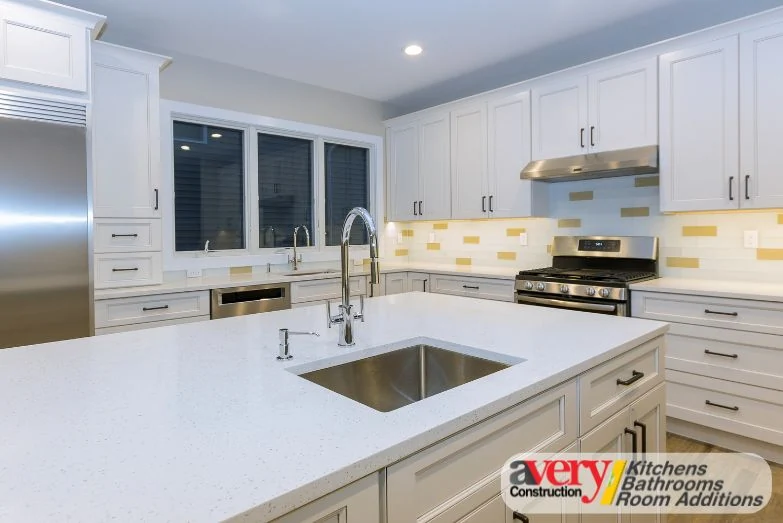
Choose kitchen countertops by matching the material and color to your cabinets and flooring, then weighing durability, maintenance, climate exposure and installation needs. Quartz, granite, marble, butcher block and laminate offer different looks and care requirements. The right choice is the one that suits how you cook, the upkeep you are willing to do and the features you want in your kitchen.
Countertops are one of the most prominent features in any kitchen, playing a critical role in both design and functionality. When planning a Florida kitchen remodel, choosing the right countertops can enhance your kitchen’s appearance and make cooking and entertaining more enjoyable. With so many materials available, making the choice can feel overwhelming. Here’s a guide to help you navigate the options.
1. Assess Your Kitchen’s Style and Color Scheme
Before diving into countertop materials, consider your kitchen’s overall style and color scheme. If you’re going for a modern look, sleek quartz or polished granite may be a good fit. For a more traditional or rustic style, you might prefer the natural beauty of marble or butcher block.
Choose a countertop color that complements your cabinets and flooring. Light-colored countertops, such as white or soft gray, can make smaller kitchens feel more open. Dark countertops can add depth and contrast. Keeping your style and color scheme in mind will help narrow your choices and create a cohesive look.
2. Consider Your Countertop Material Options
There’s a wide range of countertop materials, each with benefits and drawbacks. Here’s a breakdown of the options discussed in this guide.
Quartz
Quartz is a popular choice for its durability and low maintenance. As an engineered material, quartz countertops are generally non-porous and stain-resistant and typically do not require sealing. Available in various colors and patterns, quartz can mimic the look of natural stone with less routine upkeep. It can suit busy households that want a stylish yet practical option; follow the chosen product’s care instructions.
Granite
Granite is a natural stone known for its strength and unique patterns. Each slab has distinctive colors and veining, giving your kitchen an individual look. Granite can withstand daily wear, but sealing needs vary with the stone and its treatment. Check the supplier’s recommendations rather than assuming every slab needs the same sealing schedule. It can be a good choice if you want a natural look and are comfortable with the required maintenance.
Marble
Marble countertops bring elegance to a kitchen. Known for its smooth, cool surface, marble is particularly appealing to bakers. However, it can scratch or stain and may require more care. Marble can suit kitchens where its appearance is a priority and the household is willing to give it the attention it needs.
Butcher Block
For those who prefer a warm, natural feel, butcher block countertops are an attractive option. Made from wood, they bring rustic charm and may be sanded to address scratches, depending on the product and finish. They need regular care to manage moisture exposure; oiling requirements depend on the finish. Butcher block can suit those who love natural wood and are willing to maintain it regularly.
Laminate
Laminate countertops come in a variety of colors and patterns, including designs that mimic granite or marble. Their durability differs from natural stone, so consider how the surface will be used and the care it requires alongside its appearance.
3. Balance Durability with Maintenance Needs During Your Kitchen Remodel
Durability and maintenance are key factors when choosing a countertop material. Quartz and granite are commonly selected for durability, while marble and butcher block offer distinctive beauty but may require more upkeep. Resistance to scratches, stains and heat differs by material and product; do not assume that strength in one area means resistance to every kind of damage.
Consider your lifestyle and how much maintenance you’re willing to commit to. If you have a busy household or young children, a lower-maintenance option such as quartz might be a good fit. If you’re a careful cook who loves a classic look, you might enjoy marble despite its need for more attention.
4. Factor in Heat and Humidity
Florida’s warm climate and humidity are factors to discuss when selecting countertop materials. Wood or butcher block may require particular attention to moisture exposure and maintenance. Check the selected material’s care requirements for the conditions in your kitchen rather than assuming that all stone or engineered surfaces perform alike.
If your kitchen receives a lot of direct sunlight, ask the supplier about the chosen product’s suitability for that exposure and any risk of fading or discoloration. Heat tolerance and sunlight suitability should be assessed separately; neither quartz nor granite should be treated as a universal answer to every exposure condition.
5. Plan for Materials and Installation
When planning your countertop selection, consider both the material and the installation requirements. Compare the options as a complete part of the remodel, rather than choosing a surface by appearance alone.
A professional can help you assess which options fit your plan and explain the installation needs of each material. Countertops are intended for long-term use, so choose a material that fits your style, practical needs and willingness to maintain it.
6. Add Functionality with Custom Features in Your Kitchen Remodel
Custom countertop features can add functionality and style. An integrated sink, where the sink is made from the same countertop material, can provide a seamless look; availability and cleaning requirements depend on the material and design. Another option is a waterfall edge, where the countertop extends down the sides of an island to create a modern, continuous flow.
If you love baking or cooking, consider a designated section of butcher block or marble within your countertop layout. Custom features allow you to tailor the countertop to your needs, creating a kitchen that is both attractive and functional.
7. Work with a Professional for Countertop Installation
Once you’ve chosen a countertop, careful installation helps it look and function as intended. Addressing uneven surfaces and material-specific sealing requirements can reduce avoidable problems. When selecting a contractor for your kitchen remodel, look for relevant experience, clear communication and reviews you can evaluate.
A professional can also advise on materials that suit your space and explain the installation process. Discuss these details before work begins rather than assuming any particular outcome is assured.
Choosing Your Countertops
Selecting countertops is an important step in a kitchen remodel because it affects both style and functionality. Consider durability, maintenance, climate exposure and installation alongside the appearance you want. From classic granite to sleek quartz, the options offer different ways to complement your kitchen and support daily use.