
The Avery Journal
How Your Kitchen Remodel Can Help You Conserve Electricity
A kitchen remodel can help you conserve electricity by combining more efficient appliances with LED lighting, useful daylight, thoughtful appliance placement, and improvements identified through an energy audit. Insulation and thermostat controls may also help manage household energy use. The best choices depend on your existing kitchen and how you use it, rather than on appliance upgrades alone.
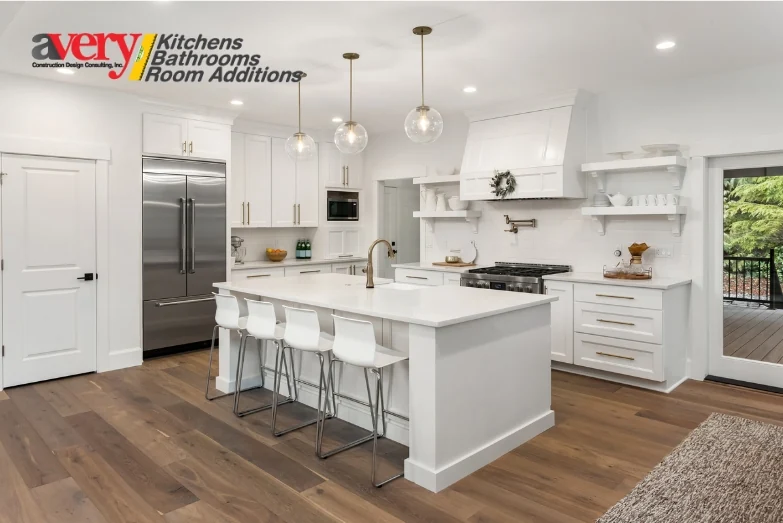
A kitchen remodel can help you conserve electricity by combining more efficient appliances with LED lighting, useful daylight, thoughtful appliance placement, and improvements identified through an energy audit. Insulation and thermostat controls may also help manage household energy use. The best choices depend on your existing kitchen and how you use it, rather than on appliance upgrades alone.
Why should you add new appliances when remodeling your kitchen?
A kitchen remodel offers an opportunity to consider energy efficiency alongside other home improvement goals. Energy-efficient kitchen appliances are an important part of that planning, but lighting, insulation, controls, and layout also deserve attention. Here are several ways to approach a kitchen with energy conservation in mind.
Conduct an Energy Audit
Before choosing appliances or other details of your kitchen remodel, consider a professional energy audit. An auditor can assess your home's infrastructure, the appliances you currently use, the condition of your insulation, and related details. Their recommendations can help you identify improvements that fit your energy goals and project priorities.
Upgrade Your Appliances
Use the audit's findings to help decide which appliances to replace. Where ENERGY STAR certification is available for an appliance type, consider certified models. Compare the energy-use information provided for refrigerators and other appliances you are considering; do not assume that every appliance type has the same certification or labeling options.
Install a Smart Thermostat
A smart thermostat may help you manage heating and cooling energy use. Depending on the model, features may include Wi-Fi connectivity, energy-use reports or alerts, and remote monitoring. Like a programmable thermostat, it can allow you to schedule temperature settings around your daily routine. Features and suitability will depend on your existing heating and cooling system.
Improve the Insulation
Insufficient insulation, or insulation that is not suited to its location, can contribute to energy waste. During an energy audit, a professional can assess whether insulation improvements are appropriate in the walls, ceiling, or floors. Addressing the areas identified in that assessment may improve energy efficiency; the effect will depend on the home's existing conditions.
Hire an Experienced Remodeler
Your remodeler can help you consider how the details of the kitchen design affect everyday energy use. Look for someone who can discuss appliance choices, lighting, and layout in relation to your energy goals, rather than treating efficiency as an appliance decision alone.
Upgrade to LED Lights
Replacing traditional incandescent lighting with suitable LED lights can reduce the electricity used for lighting. LEDs also generally have a longer operating life than incandescent bulbs, which can mean less frequent replacement. Include lighting choices in your remodel planning rather than leaving them until the end.
Use Some Natural Light
Daylight can reduce the need for electric lighting during the day and make a kitchen feel more inviting. Depending on your existing layout and remodeling goals, you might consider new windows or a skylight. Evaluate whether these changes are appropriate for your home and how they would support the way you use the kitchen.
Optimize the Kitchen Layout
A thoughtful layout can help you make better use of daylight. Position work areas, such as countertops, to take advantage of available natural light. Also consider keeping the refrigerator away from direct sunlight and other heat sources that may make it work harder.
Change to Low-Flow Faucets
A kitchen remodel is also an opportunity to consider water conservation. A low-flow faucet can help reduce water use. Treat this as a water-saving choice alongside your electricity-conservation plans, rather than assuming it will directly reduce electricity use in every home.