
The Avery Journal
Elevate Your Home, Protect Your Future: A Guide to Florida’s Elevation Mitigation Programs
Home elevation is a flood-mitigation option that raises a structure to reduce its exposure to floodwater. This guide explains why elevation matters, the planning stages described in the original Elevate Florida article, and the documents homeowners may need when exploring an application. Eligibility, application availability, required elevation, and project requirements should be confirmed with the program and local authorities before proceeding.
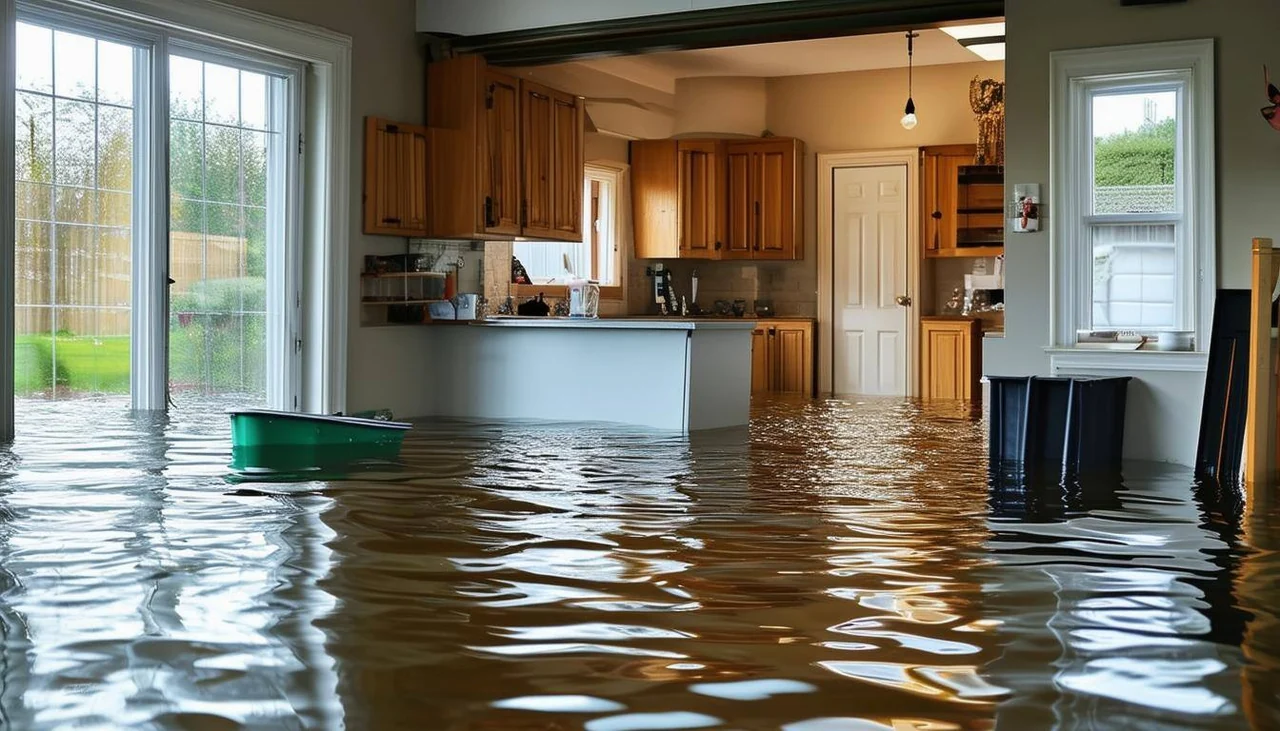
Home elevation is a flood-mitigation option that raises a structure to reduce its exposure to floodwater. This guide explains why elevation matters, the planning stages described in the original Elevate Florida article, and the documents homeowners may need when exploring an application. Eligibility, application availability, required elevation, and project requirements should be confirmed with the program and local authorities before proceeding.
This article was originally published on March 3, 2025. It is retained as planning guidance, not confirmation of current program terms or Avery's elevation, engineering, or flood-mitigation services.
Florida homeowners in low-lying areas, along the coast, or near rivers and lakes may face flooding associated with storms and hurricanes. Understanding that exposure is an important part of planning how to protect a home, its contents, and its occupants. Elevation is one option to explore when considering a property's flood resilience.
Why Elevation Matters
Flooding can damage a home's structure, destroy possessions, and create safety hazards. The original article focused on the risks faced by homes below the relevant base flood elevation and on raising a structure to reduce its exposure to floodwater.
Whether elevation is appropriate depends on the property and its flood conditions. Raising a home may reduce flood-damage risk, but it does not establish that the property will remain habitable during extreme weather or eliminate every storm-related hazard. The appropriate elevation and foundation approach need property-specific assessment.
The Elevate Florida Program: What You Need to Know
The original article introduced the Elevate Florida Program as part of an effort to improve resilience against flooding and storm damage. Its descriptions of assistance and participation should not be treated as current program terms. Confirm the program's availability, eligible activities, and requirements through its official information before making project decisions.
The source described these stages, which remain useful questions to discuss while planning:
- Eligibility assessment: Ask which criteria apply to the home, including its structure type, existing elevation, and flood-zone location. These were factors discussed in the original article, not a complete or verified current eligibility checklist.
- Project planning: Consider the home's existing foundation, the structural changes an elevation project could involve, and the work needed to develop an appropriate design. Do not assume that program participation will cover a particular scope of work.
- Design and construction: Discuss the proposed elevation and foundation modifications with appropriately qualified professionals. Confirm applicable local building-code and floodplain requirements rather than assuming a general elevation plan will satisfy them.
- Completion and documentation: Ask local authorities and the program what inspections, elevation documentation, or certification would apply. Completion alone does not demonstrate compliance or eliminate flood risk.
The Benefits of Elevation
- Flood-risk considerations for buyers: The original article suggested that flood resilience could matter to potential buyers. Treat that as a consideration, not a promise that elevation will increase property value or produce a particular return.
- Insurance considerations: Ask the insurer how a proposed change in elevation would affect the home's flood-insurance assessment. The original article's claim of lower premiums should not be assumed to apply to an individual policy.
- Peace of mind: Reducing a home's exposure to flooding may offer reassurance. Elevation should nevertheless be considered a risk-reduction measure, not complete protection from the next storm.
How to Apply
Before preparing an application, check the official program information for current availability and instructions. The original article directed homeowners to the Elevate Florida Portal to create an account and submit information. Confirm that this remains the appropriate process before entering personal documents.
The source recommended gathering the following materials. Use this as a preparation checklist, subject to the program's current instructions:
- Photos of all four sides of the structure: front, rear, and both sides.
- Insurance declaration pages, if available.
- Elevation certificates, if applicable.
- Geotechnical reports or soil studies, if applicable.
- Flooding or high-water-mark photos.
- Insurance claim information.
- Substantial Damage Determination letters received from local government, if applicable.
- Combined income as reflected on the most recent federal tax return.
Planning Your Renovation Around Flood Mitigation
If you are considering elevation, rebuilding an existing structure, or other changes intended to improve flood resilience, begin with the home's condition and the structural work involved. Foundation modifications, design and engineering needs, and applicable state and local requirements are planning factors identified in the original article.
Discuss these factors with professionals whose qualifications and scope match the proposed work. This archived article does not confirm Avery's participation in the program or its ability to provide elevation, structural engineering, or certification services. A property-specific plan should guide decisions rather than general promises about protection or property value.