
The Avery Journal
Choosing the Right Flooring for Your Bathroom: Options and Considerations
Choose bathroom flooring by comparing moisture resistance, durability, cleaning needs, underfoot comfort, and the look you want. Porcelain or ceramic tile and bathroom-suitable vinyl offer a range of designs; natural stone requires attention to sealing, while engineered hardwood and cork need careful assessment of moisture exposure and product suitability. Concrete offers another option for a contemporary look. The right choice depends on your bathroom’s conditions and the specific flooring product.
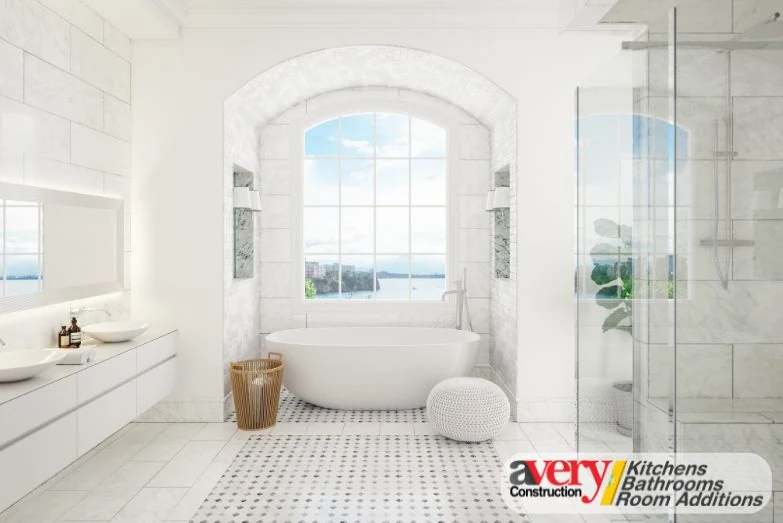
Choose bathroom flooring by comparing moisture resistance, durability, cleaning needs, underfoot comfort, and the look you want. Porcelain or ceramic tile and bathroom-suitable vinyl offer a range of designs; natural stone requires attention to sealing, while engineered hardwood and cork need careful assessment of moisture exposure and product suitability. Concrete offers another option for a contemporary look. The right choice depends on your bathroom’s conditions and the specific flooring product.
When remodeling your bathroom, choosing the right flooring is one of the most important decisions you’ll make. Bathroom floors need to withstand moisture, foot traffic, and cleaning while maintaining an attractive look. With many flooring options available, it can be challenging to choose the best fit for your space. The following options and considerations can help you compare materials for your home.
1. Porcelain or Ceramic Tile
Porcelain and ceramic tiles are popular choices for bathroom flooring because of their durability, water resistance, and versatility. Here are the qualities to consider:
- Water resistance: Porcelain and ceramic tile can provide a highly water-resistant surface. The selected tile and its installation matter; a tile surface alone should not be treated as proof that the entire floor is waterproof.
- Variety of styles: Tiles come in many colors, patterns, and sizes, allowing you to create a custom look. Options that mimic wood or stone offer another way to achieve your preferred aesthetic.
- Cleaning: Tile surfaces are generally straightforward to wipe down and maintain. Consider the care requirements of the selected tile and grout when comparing options.
- Durability: Suitable tiles can offer a long-lasting surface for high-traffic bathrooms. Resistance to scratches, stains, and fading varies by product rather than being assured for every tile.
2. Vinyl Flooring
Vinyl flooring is another bathroom option to consider for its durability, underfoot comfort, and installation requirements. Key qualities include:
- Water-resistant or waterproof product options: Some vinyl products are marketed as waterproof, but bathroom suitability and installation requirements should be checked for the specific product. That description should not be assumed to apply to the whole floor assembly.
- Softness and comfort: Vinyl can feel softer underfoot than harder flooring types, providing comfort in a space where you may spend time standing.
- Variety of designs: Vinyl flooring is available in numerous styles, including options that replicate the look of wood, stone, or tile.
3. Natural Stone Flooring
For a bathroom with a distinctive natural appearance, stone flooring is an option to consider. Popular choices include marble, granite, slate, and travertine. Its appeal and care considerations include:
- Unique beauty: Natural variation gives stone tiles an individual appearance, offering an elegant look that can help create a spa-like atmosphere.
- Durability and moisture care: Stone can be durable, but its suitability for water and humidity depends on the type of stone, finish, installation, and appropriate sealing. Do not assume every stone product performs the same way.
Natural stone may require regular sealing to maintain its water resistance. Consider those care requirements when deciding whether it is the right material for your bathroom.
4. Engineered Hardwood
Hardwood floors are not typically recommended for bathrooms because of their susceptibility to moisture. Engineered hardwood may offer the wood appearance some homeowners want, but it should not be treated as a universally suitable bathroom solution:
- Layered construction: Engineered hardwood has a layered construction. That feature alone does not establish water resistance or suitability for bathroom use; confirm the selected product’s limitations.
- Warmth and aesthetic: If you want the natural beauty and warmth of wood, engineered hardwood offers an authentic look that can complement a bathroom design where the product is appropriate.
- Maintenance: Cleaning and upkeep depend on the product and finish. Avoid assuming that ordinary bathroom use will be suitable for every engineered wood floor.
Engineered hardwood can remain vulnerable to prolonged exposure to excess moisture. Consider moisture exposure, finishing requirements, and ventilation, and confirm product-specific bathroom suitability before choosing it.
5. Cork Flooring
Cork is an option for homeowners interested in comfort and renewable materials. Its potential benefits need to be weighed against the demands of a bathroom:
- Moisture considerations: Do not assume cork’s natural characteristics make every cork floor suitable for bathroom humidity or water exposure. Check the selected product’s suitability and sealing requirements.
- Softness and comfort: Cork is cushioned underfoot, providing a comfortable surface where you may stand for longer periods.
- Material origin: Cork comes from renewable bark. Environmental claims should be considered for the finished flooring product rather than assumed to apply equally to all cork floors.
Proper sealing and the product’s moisture limitations are important considerations. Sealing does not eliminate the risk of long-term moisture damage.
6. Concrete Flooring
Concrete flooring offers a modern, industrial look for a contemporary bathroom design. Key considerations include:
- Durability: Concrete can provide a durable surface, but its performance depends on installation and finish. Appropriate sealing can help with water and stain resistance; concrete should not be assumed to resist all cracking or staining.
- Customizable finish: Concrete floors can be stained, polished, or painted to create different appearances, from sleek and modern to rustic and textured. Confirm that the chosen finish is suitable for the bathroom.
- Maintenance: A suitable finished surface can be straightforward to clean. Maintenance and resealing needs depend on the finish selected.
Choosing the Right Material for Your Bathroom
Choosing bathroom flooring is an essential part of a remodel. Whether you prefer the timeless appearance of porcelain tile, the comfort of vinyl, or the natural character of stone, select a material with durability, moisture performance, and care requirements suited to your space. Each option has its own advantages and limitations. Compare your bathroom’s specific conditions, your preferred style, underfoot comfort, installation requirements, and ongoing maintenance before making a final choice.