
The Avery Journal
Kitchen Countertops: How to Choose the Best Option for Your Kitchen Remodel
Choose kitchen countertops by balancing the look you want with resistance to stains, heat, scratches, and chipping, along with cleaning and maintenance needs. Laminate, marble, solid surface, and butcher block each offer different appearances and care requirements. Compare samples and the care instructions for the specific product before deciding which surface best fits your kitchen remodel.
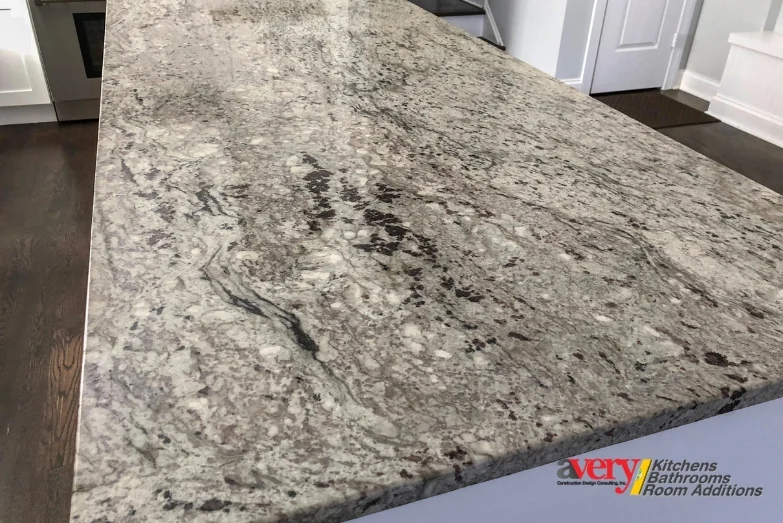
Choose kitchen countertops by balancing the look you want with resistance to stains, heat, scratches, and chipping, along with cleaning and maintenance needs. Laminate, marble, solid surface, and butcher block each offer different appearances and care requirements. Compare samples and the care instructions for the specific product before deciding which surface best fits your kitchen remodel.
Choosing Countertops for Your Kitchen Remodel
Kitchens are among the most important rooms in a home. A beautiful, practical kitchen depends on the layout, lighting, equipment, and materials working together. Countertops are a central part of that design: they provide space for food preparation and can also serve as an informal eating area.
The countertop's color and pattern help shape the room's appearance. Many homeowners want a surface that reflects their personality while supporting everyday use. Understanding the different materials is a useful starting point for choosing a countertop that suits your kitchen.
Qualities of a Good Kitchen Countertop
Because countertops are used for food preparation and gathering, consider how a material performs as well as how it looks. Compare:
- Resistance to stains.
- Resistance to heat, together with the protection the surface requires.
- An appearance that complements the kitchen.
- Installation and ongoing maintenance requirements.
- Ease of cleaning.
- Resistance to scratches and chipping.
Countertop options include:
- Natural stone.
- Quartz.
- Wood.
- Butcher block.
- Granite.
- Laminate.
- Solid surface.
- Marble.
Some of these labels overlap: granite and marble are natural stones, while butcher block is a wood countertop. The following sections focus on laminate, marble, solid surface, and butcher block.
Laminate Countertops
Laminate countertops combine layers of paper and resins with a decorative surface bonded to a supporting substrate. The decorative layer gives the countertop its color and pattern.
The nonporous surface can make routine cleaning straightforward. However, that does not mean the entire countertop is protected from moisture damage; follow the product's care instructions rather than assuming spills cannot cause harm.
Laminate can be scratched or damaged by heat. Use cutting boards, trivets, and hot pads to protect it rather than treating the surface as a cutting board or a place for hot cookware. Installation requirements vary, so assess the particular product and layout before deciding how it should be installed.
A wide range of colors and patterns is available. Some designs imitate the appearance of natural stone, quartz, marble, or solid surface, giving homeowners several ways to coordinate the countertop with cabinetry and other finishes.
Marble Countertops
Marble's distinctive appearance can bring a timeless quality to a kitchen. Its natural patterns make it an option for homeowners who want the countertop to be a prominent design feature.
The selected variety and thickness are factors to compare when reviewing marble options. Appearance should be considered alongside the care required by the particular stone and finish.
Do not assume marble is immune to scratching, cracking, or other damage simply because it is natural stone. Review the material's limitations and maintenance instructions before selecting it for a heavily used preparation area.
Protect the finish by using a trivet or hot pad rather than placing a hot pan directly on the countertop. Appropriate installation, sealing where required, and ongoing care are important considerations when choosing marble.
Solid Surface Countertops
Solid surface is a manufactured countertop option with material throughout its thickness, unlike laminate's decorative surface layer. Resurfacing may be possible for some products, but the appropriate method depends on the material and should be confirmed before attempting sanding or repairs.
Its low-permeability surface is a useful cleaning consideration, not a substitute for regular cleaning or evidence that bacteria cannot grow on it. Compare the care instructions for the product you are considering.
Heat and sharp objects require attention. Keep hot cookware off the surface and use cutting boards to help avoid scratches. Do not assume that every solid surface product has the same heat tolerance.
When comparing solid surface with other materials, consider the preparation area as a whole. Wood requires attention to moisture, and tile layouts with many grout seams can complicate cleaning and food preparation. Natural stone also has its own care and damage considerations. These practical differences can help guide material selection for a kitchen remodel.
Butcher Block Countertops
Butcher block is made from wooden strips joined together into a slab. Its warm appearance can suit a range of kitchen designs, but installation requirements and upkeep should be considered before choosing it.
Wood can stain, warp, or develop mold when exposed to moisture. A suitable finish and regular care are therefore important. Follow the instructions for the specific butcher block and its finish, including any initial treatment and later maintenance.
Food-safe oil treatments and sanding are maintenance options to discuss when selecting butcher block. Whether either is appropriate depends on the product and existing finish. Do not assume that an oil treatment makes the wood waterproof or that every countertop should be sanded on a fixed schedule.
Compare Materials Before Making a Decision
Online resources and videos can introduce countertop options, but they cannot fully convey how different surfaces look and feel in person. Assess multiple samples where possible and compare their cleaning, protection, and maintenance needs.
A kitchen remodel involves more than the countertop alone. Consider how the surface will work with the kitchen's overall theme, design, and everyday use before making your final selection.