
The Avery Journal
Choosing the Best Kitchen Flooring
The best kitchen flooring depends on your design goals, household traffic, exposure to spills, and willingness to maintain it. Porcelain tile and vinyl options can suit kitchens where water resistance and easy cleaning are priorities, while wood and natural stone offer distinctive appearances with additional care considerations. Compare the specific material, finish, and maintenance requirements rather than assuming every product in a flooring category performs the same way.
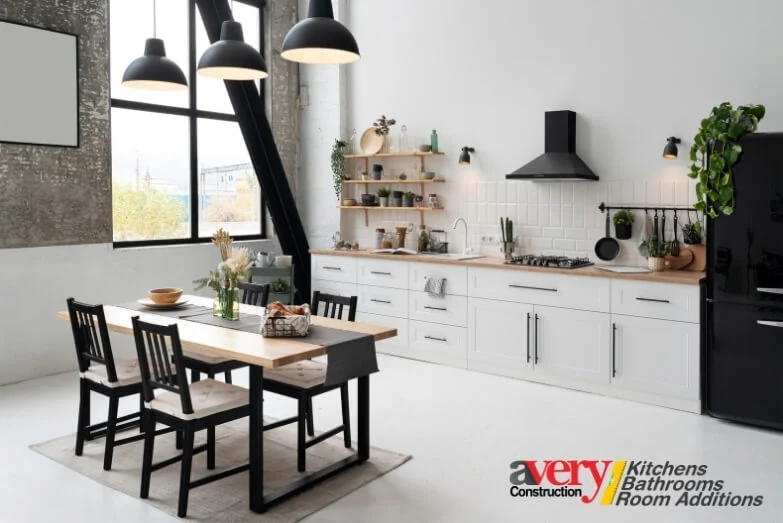
The best kitchen flooring depends on your design goals, household traffic, exposure to spills, and willingness to maintain it. Porcelain tile and vinyl options can suit kitchens where water resistance and easy cleaning are priorities, while wood and natural stone offer distinctive appearances with additional care considerations. Compare the specific material, finish, and maintenance requirements rather than assuming every product in a flooring category performs the same way.
Choosing the Best Kitchen Flooring for Your Renovation Project
A kitchen renovation allows you to transform one of the most vital spaces in your home. Among the decisions you'll need to make, choosing the best kitchen flooring is a crucial aspect that can significantly affect the overall look, feel, and functionality of your kitchen.
This guide explores various kitchen flooring options and important factors such as stain resistance, water resistance, wear and tear, and ease of maintenance.
Understanding Your Kitchen Remodeling Goals
Before delving into specific kitchen flooring options, it's essential to understand your goals for the renovation. Are you aiming for a sleek, modern look, or do you prefer a more rustic and traditional feel? Knowing your preferences and overall design theme will guide you toward a flooring material that complements your vision.
Popular Kitchen Flooring Options
Solid Hardwood Flooring
Solid hardwood flooring is a classic choice that brings warmth and natural beauty to a kitchen. Alongside its appearance, consider stain resistance, water resistance, and wear and tear.
Solid hardwood is susceptible to water damage and stains. Suitable finishes can improve its resistance, but they do not eliminate those risks. Maintenance appropriate to the finish, including refinishing when needed, can help preserve the floor's condition.
Stone Tile
Stone tile, such as granite or marble, adds a distinctive natural appearance to your kitchen. It can be durable, but resistance to wear and staining varies with the stone and its finish. Consider those differences when choosing flooring for high-traffic areas.
Stone can feel cool underfoot, which may influence your preferences in a warmer climate. Some stones require periodic sealing to help maintain stain resistance; sealing needs depend on the particular material.
Sheet Vinyl
Sheet vinyl is a versatile kitchen flooring option. It comes in a variety of designs, including options that mimic the appearance of hardwood or stone.
Sheet vinyl can offer water resistance and straightforward cleaning, making it a practical option to consider for busy kitchens. Performance depends on the product and installation. It can also provide some comfort underfoot, which may matter if you spend extended periods in the kitchen.
Vinyl Flooring
Vinyl flooring is available in tiles or planks and offers options suited to kitchens where spills and moisture are common. Durability and water resistance vary by product, so compare the specifications of the flooring you are considering.
Vinyl can replicate the look of natural materials such as wood or stone. Many products are easy to clean and designed to handle household foot traffic, making them worth considering for busy kitchens.
Natural Stone
Natural stone, including slate or travertine, adds a distinctive appearance to a kitchen. Variations between individual pieces can create a floor with its own character.
Natural stone can be durable, but care requirements vary. Some products need periodic sealing to help maintain stain resistance. Consider the stone's porosity and susceptibility to certain acids when deciding whether it suits your kitchen and cleaning routine.
Cork Flooring
Cork flooring provides a soft, comfortable surface underfoot. Its insulating qualities may also appeal to homeowners who prefer a warmer-feeling floor.
Cork is not as hard as some other flooring materials. When considering it for a kitchen, assess the particular product's suitability for household foot traffic, moisture exposure, and maintenance needs rather than assuming every cork floor will perform alike.
Porcelain Tile
Porcelain tile is a popular kitchen flooring choice for its durability and design versatility. It generally offers resistance to water, stains, and wear, although the performance and upkeep of the finished floor also depend on its finish, grout, and installation.
Porcelain tiles come in various colors, patterns, and finishes, allowing you to pursue your preferred kitchen aesthetic. Their surfaces can be straightforward to clean, making them an option for homeowners seeking manageable maintenance.
Solid Wood
Solid wood flooring provides a classic look for a kitchen. Like the hardwood options discussed above, it requires care to limit water damage and stains.
Refinishing may help renew its appearance over time, but the suitability and extent of refinishing depend on the floor's condition and construction. Consider those maintenance requirements alongside the appearance you want.
Luxury Vinyl
Luxury vinyl comes in planks or tiles and can replicate the look of hardwood, stone, or tile. Products differ in appearance, construction, and durability, so compare specific options rather than relying on the category name alone.
Many luxury vinyl products offer water resistance and wear resistance that can suit kitchens with frequent spills or household traffic. Check the particular product's requirements and limitations when making your choice.
Factors to Consider When Choosing Kitchen Flooring
Stain Resistance
Prioritize stain resistance if your kitchen experiences frequent spills. Porcelain tile and luxury vinyl can be suitable options, while some natural stone needs sealing and careful cleaning. Compare the care requirements of the specific material and finish.
Water Resistance
Water spills and splashes make water resistance an important consideration. Vinyl and porcelain tile offer options with water-resistant surfaces, but a resistant surface does not mean the entire floor assembly or subfloor is protected from water damage. Consider the product and installation requirements.
Wear and Tear
Consider durability, especially in high-traffic areas. Solid hardwood and natural stone can be durable but may require ongoing maintenance. Vinyl, luxury vinyl, and porcelain tile offer options designed to withstand household traffic; performance varies by product and use.
Ease of Maintenance
Cleaning and maintenance matter in a kitchen. Sheet vinyl, vinyl tiles or planks, and luxury vinyl can be straightforward to clean. Consider your lifestyle, the time you can dedicate to upkeep, and the care instructions for the floor you select.
Moisture Resistance
Assess moisture exposure, especially if you live in a humid area or have a kitchen near water sources. Vinyl, porcelain tile, and luxury vinyl may be useful options to compare, but moisture resistance depends on the flooring product and how the floor is installed and maintained.
Type of Flooring
Choose flooring that aligns with your design preferences and overall kitchen vision. Whether you prefer the warmth of wood, the natural character of stone, or the versatility of vinyl, select a material that complements your aesthetic goals and practical needs.
Making Your Kitchen Flooring Choice
Choosing kitchen flooring involves balancing stain resistance, water resistance, wear and tear, and ease of maintenance. Each option has its own characteristics, and the best choice depends on your needs, preferences, and lifestyle.
Whether you favor the appearance of solid hardwood, the durability of porcelain tile, or the versatility of luxury vinyl, consider both the aesthetic appeal and functionality of the finished kitchen. A suitable material and a realistic maintenance routine can help you care for the space over time.