
The Avery Journal
The Best Flooring Options for Your Kitchen Remodeling Project
The best flooring for your kitchen depends on the look you want, exposure to spills, foot traffic, and the care you are prepared to provide. Hardwood and bamboo offer a warm wood-like appearance; ceramic and natural stone provide tile options; laminate and vinyl offer varied styles; and cork and linoleum are alternatives worth considering. Compare the specific product's moisture resistance and maintenance needs before choosing.
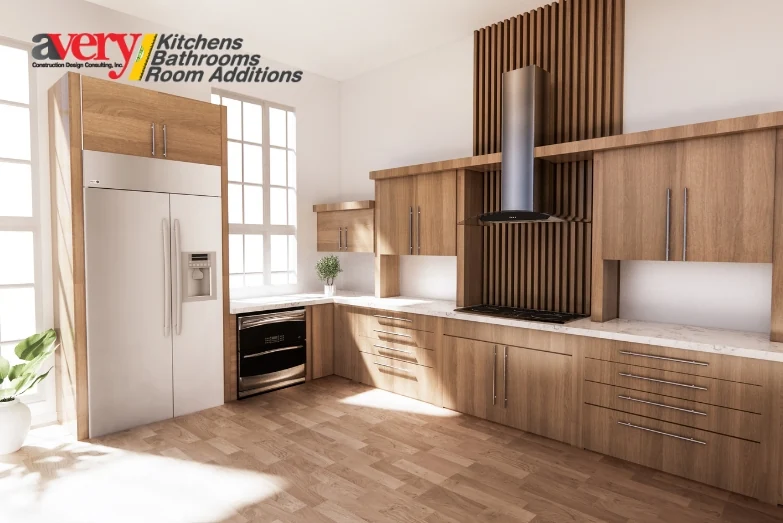
The best flooring for your kitchen depends on the look you want, exposure to spills, foot traffic, and the care you are prepared to provide. Hardwood and bamboo offer a warm wood-like appearance; ceramic and natural stone provide tile options; laminate and vinyl offer varied styles; and cork and linoleum are alternatives worth considering. Compare the specific product's moisture resistance and maintenance needs before choosing.
The Best Flooring for Kitchen Remodeling
Kitchens seem to be all about fancy appliances these days, but it's important not to forget that a great kitchen starts with the floors. By choosing the right type of flooring, you can set the mood for your entire kitchen and help it feel connected to the rest of your home.
Many homeowners don't realize just how many different types of kitchen floors are available. Let's take a look at some of the flooring options to consider for your kitchen.
Hardwood Flooring
Hardwood flooring is a popular choice throughout a home, and it can bring beauty and warmth to a kitchen. Its durability under heavy foot traffic and its useful life depend on the particular flooring, finish, and care it receives.
For a kitchen, pay particular attention to the product's moisture resistance. Do not assume that a water-resistant finish prevents all spill damage; consider the care instructions when deciding whether hardwood suits your household.
Ceramic Tiles
Ceramic tiles are made from natural clay that is shaped and fired at high temperatures, with glazed options available. They can be a durable kitchen flooring choice, offering resistance to water, stains, and heat depending on the specific tile and finish.
Those qualities do not make every ceramic floor impervious to damage or impossible to break. Compare the selected tile's performance and care requirements rather than assuming that it will last indefinitely.
Natural Stone Tiles
Natural stone can give a kitchen a luxurious appearance and a sense of authenticity. Granite is one option to consider, with sealing and maintenance important to its long-term condition.
Polished marble is another favorite, but it can be scratched or stained and needs careful treatment. Other natural stone options include limestone, sandstone, slate, and travertine. Each has its own advantages and limitations, so consider the particular stone's care requirements as well as its appearance.
Laminate Flooring
Laminate flooring is designed to mimic traditional flooring materials through a range of colors, patterns, and styles. That variety makes it a versatile option when planning the look of a kitchen.
Laminate can be straightforward to keep clean, but scratch resistance and resistance to discoloration vary by product. If environmental considerations matter to you, look at the composition of the particular flooring; some laminate products may include recycled materials.
Water damage is an important consideration. Products marketed as waterproof are available, but check the selected product's specifications and care requirements rather than treating all laminate flooring as suitable for the same conditions.
Vinyl Flooring
Vinyl is a manufactured flooring material that offers a variety of styles, including designs that mimic wood or stone. Its versatility and ease of cleaning can make it an attractive kitchen option.
Resistance to stains and water damage depends on the particular vinyl flooring. Its useful life also depends on the product and the care it receives, so compare maintenance requirements rather than relying on a fixed lifespan.
Bamboo Flooring
Bamboo is another flooring option with a look and feel similar to hardwood. Durability and moisture resistance depend on the particular product; bamboo should not automatically be treated as stronger than wood or protected against moisture damage.
Its appearance can vary considerably with color, grain, and pattern. Those differences provide choices for homeowners who want a wood-like look with a distinctive character.
Cork Flooring
Cork offers a softer surface that can feel more comfortable when standing to prepare meals or wash dishes. If environmental considerations are part of your flooring decision, cork is one of the materials to evaluate.
Cork flooring is vulnerable to damage, so its protective finish and maintenance needs matter. Follow the selected product's sealing and care guidance rather than assuming that one resealing schedule applies to every cork floor.
Linoleum Flooring
Many people think of linoleum as an old-school flooring material, but it is another option to consider alongside vinyl. Durability and potential water damage deserve attention when evaluating it for a kitchen.
Linoleum can be easy to clean and is made with linseed oil. For homeowners interested in materials with natural ingredients, it is worth examining the specific product's composition along with its maintenance needs.