
The Avery Journal
Things to Consider Before You Install a New Bathroom Sink
Before installing a new bathroom sink, consider your bathroom’s floor space, sink style and material, storage needs, existing plumbing, cleaning requirements, and everyday use. Check how the sink will fit your countertop or vanity and what installation work it may require. These factors can help you choose a sink that suits both the look of your bathroom and the way you use it.
Before installing a new bathroom sink, consider your bathroom’s floor space, sink style and material, storage needs, existing plumbing, cleaning requirements, and everyday use. Check how the sink will fit your countertop or vanity and what installation work it may require. These factors can help you choose a sink that suits both the look of your bathroom and the way you use it.
What You Should Think About Before Replacing Your Bathroom Sink
Upgrading your bathroom sink can enhance the look and functionality of your bathroom. Before starting a bathroom sink remodel, consider how the available space and your practical needs will shape your choice.
Assess Your Floor Space
The first step in planning your bathroom sink remodel is evaluating your floor space. The size and layout of your bathroom will influence the type of sink you can install. For smaller bathrooms, compact sinks such as pedestal or wall-mounted sinks can save space while providing a modern bathroom aesthetic. In larger bathrooms, you may have more flexibility to choose vanity sinks, vessel sinks, or double sinks, which can add both functionality and style to your bathroom.
Determine the Sink Style
Choosing the right sink style is important for achieving your desired bathroom look. Here are some popular styles to consider:
- Pedestal sink: These sinks stand alone without a vanity and offer a sleek, minimalistic look that can suit smaller bathrooms.
- Wall-mounted sink: Attached directly to the wall, these sinks leave floor space open and create a clean look.
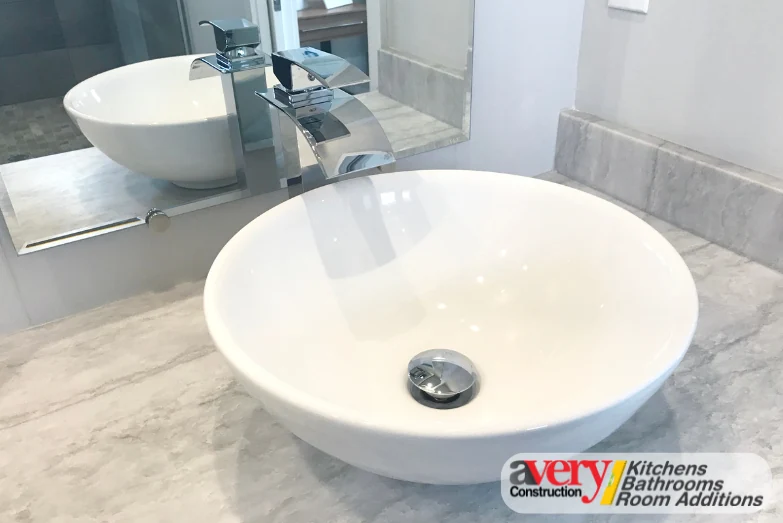
- Vessel sink: These sit on top of the counter, providing a bold visual statement. Their various shapes and materials can make them a focal point in your bathroom.
- Undermount sink: Mounted below the countertop, these sinks offer a seamless look and can make countertop cleaning easier.
- Drop-in sink: These fit into a hole cut in the countertop, with a rim resting on top. They provide a traditional look; installation requirements depend on the countertop and plumbing.
Evaluate Materials and Styles
Bathroom sinks come in many materials and styles. The material you choose affects both the appearance and durability of your sink. Some popular materials include:
- Ceramic: Classic and easy to clean, ceramic sinks are a popular choice for many bathrooms.
- Glass: Often used for vessel sinks, glass can add a modern touch to your bathroom.
- Stone: Granite, marble, or travertine sinks can provide a luxurious feel but may require more maintenance.
- Stainless steel: Durable and easy to clean, stainless steel can suit a contemporary bathroom.
Consider Storage Space
A new sink can affect the storage space in your bathroom. If you need additional storage, a vanity sink could be beneficial. Bathroom vanities come in various sizes and styles, offering drawers and cabinets to keep essentials organized. For limited spaces, wall-mounted or pedestal sinks might be more suitable, though you will need to consider alternative storage solutions.
Analyze the Plumbing
Before choosing a sink, consider the existing plumbing in your bathroom. Different sinks may require different plumbing configurations. The location and visibility of plumbing will depend on the sink and its installation; pedestal and vanity designs may conceal some plumbing within their structures. Consult a professional plumber to assess compatibility and identify potential installation challenges.
Think About Maintenance
Some sinks are easier to maintain than others. Undermount and pedestal designs may have fewer seams where dirt and grime can accumulate, while vessel sinks may need extra attention around the base. Consider your lifestyle and how much time you are willing to spend on cleaning and maintenance when choosing your sink.
Balance Functionality and Aesthetics
While your sink’s appearance matters, it should also be functional. Think about how you use your bathroom sink daily. Do you need a larger basin for washing up, or will a smaller sink suit your needs?
Do you need counter space for toiletries, or can you manage with a minimalistic design? Balancing aesthetics with functionality can help you choose a sink that works for everyday use.
Consider Installation Requirements
Installation complexity is another planning factor. A drop-in sink may involve different work from a wall-mounted design. Review the sink’s fit, countertop requirements, and plumbing configuration before proceeding. Discuss the work involved with a qualified installer as part of your bathroom remodeling project, rather than assuming a replacement will be straightforward.
Make an Informed Choice
Installing a new bathroom sink can enhance the style and functionality of your bathroom. By considering floor space, sink style, materials, storage, plumbing, maintenance, everyday use, and installation requirements, you can make a choice that meets your needs and complements your bathroom’s style.