
The Avery Journal
Bathroom Lighting Ideas for Your Next Remodel
For a bathroom remodel, combine ambient lighting for the room, task lighting at the vanity, and accent lighting for architectural details. Make use of natural light where the layout allows, then consider statement fixtures, recessed lights, and compatible smart controls to adjust the atmosphere. Fixture selection and placement should suit the bathroom’s moisture exposure and installation requirements.
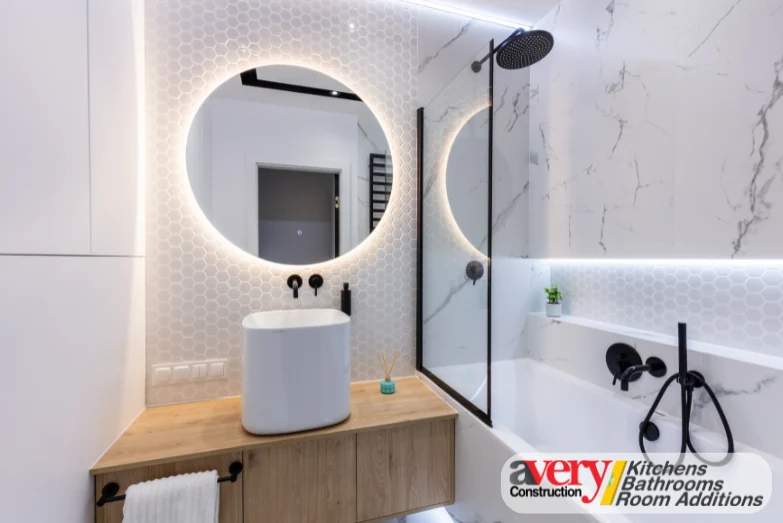
For a bathroom remodel, combine ambient lighting for the room, task lighting at the vanity, and accent lighting for architectural details. Make use of natural light where the layout allows, then consider statement fixtures, recessed lights, and compatible smart controls to adjust the atmosphere. Fixture selection and placement should suit the bathroom’s moisture exposure and installation requirements.
Lighting is an important element that can transform the look and feel of a bathroom. A well-lit space supports everyday activities while creating a welcoming, relaxing atmosphere. Whether you’re planning a full bathroom remodel or a lighting makeover, choosing the right lighting can elevate the space. Here are some ideas to consider for your next renovation.
1. Layered Lighting for Functionality and Ambiance
Layered lighting uses different types of light sources to achieve a balanced and versatile lighting scheme. The three main types to consider are ambient, task, and accent lighting.
- Ambient lighting: This is the primary source of illumination, providing general light throughout the bathroom. Recessed ceiling lights are a popular choice because they offer broad coverage without taking up visual space. For a decorative touch, consider a chandelier or pendant lights that match your bathroom’s style, provided the fixtures and their locations are suitable for the space.
- Task lighting: Task lighting supports grooming, shaving, and applying makeup. Vanity lighting is a common example. Sconces on either side of the mirror near eye level can help provide even illumination and reduce facial shadows. A horizontal fixture above the mirror is another option. LED strips or under-cabinet lights can provide additional illumination for countertops or shelving.
- Accent lighting: Accent lighting adds depth and dimension by highlighting architectural features, artwork, or other focal points. Consider LED strip lighting for niches, alcoves, or the perimeter of the room. Appropriately selected and placed accent lighting can also create a soft glow near the bathtub.
2. Incorporating Natural Light
Natural light can enhance a bathroom’s appearance and make the space feel more uplifting. Consider these ways to make the most of daylight while accounting for privacy and the home’s layout:
- Windows: Keep window treatments light and minimal where practical. Sheer curtains or frosted glass can admit daylight, but consider whether they provide enough privacy for the window’s location. Where privacy is not a concern, leaving windows uncovered can maximize light.
- Skylights: A skylight can bring natural light into a bathroom where wall space for windows is limited. Positioning it above a shower or bathtub can create a dramatic effect, with the amount of daylight varying by placement and conditions. Whether that location is feasible depends on the roof and room layout.
- Solar tubes: Also known as light tubes or sun tunnels, these capture sunlight at the roof and channel it into the room. They may be an alternative to a traditional skylight for an interior bathroom if a suitable route from the roof to the room is available.
3. Statement Lighting Fixtures
A striking fixture can become a focal point while adding personality and style. Before choosing decorative lighting, review the proposed location and fixture suitability with the installer, particularly near a bathtub or shower.
- Chandeliers: A chandelier can add elegance, particularly in a larger bathroom. Consider a central location that complements the room’s layout. If you are considering a location above a bathtub, have the installer confirm that the fixture and placement are appropriate before committing to the design. A modern crystal design or a rustic wrought iron fixture can create very different effects.
- Pendant lights: Pendants are versatile focal points. Depending on the layout and installation requirements, they may work above a vanity or as an accent in a corner. A grouping near a bathtub should be considered only after checking suitability and placement with the installer. Styles range from sleek and modern to vintage and industrial.
- Wall sconces: Sconces are useful at a vanity, but they can also be statement pieces. Interesting shapes, finishes, and materials add a distinctive touch to bathroom walls. Pairing suitable sconces with compatible dimmable bulbs and controls allows you to adjust the lighting for different moods and tasks.
4. Recessed Lighting for a Clean and Modern Look
Recessed lighting, also called can lights or pot lights, is built into the ceiling. Its unobtrusive design can complement the other elements of a bathroom renovation.
- Ceiling recessed lights: Recessed ceiling fixtures provide general illumination without drawing attention away from the room’s decor. Dimmable LED fixtures with compatible controls can create a lighting scheme that adjusts to different times of day or activities.
- Shower recessed lights: Recessed lighting can illuminate a shower or bathtub area. Select fixtures rated for the specific location and moisture exposure; a damp-location rating should not be assumed suitable for every shower location. Have the installer confirm the appropriate fixture and installation requirements.
- Wall-wash recessed lights: Wall-wash fixtures direct light onto walls to highlight tile textures, artwork, or architectural details. This adds visual depth and can help a smaller bathroom feel more spacious.
5. Smart Lighting Solutions
Compatible smart lighting systems can let you control bathroom lights through a smartphone, voice commands, or automated settings. Features vary by product and system, so consider which controls would be useful in your daily routine.
- Voice-controlled lighting: Compatible smart home devices, such as Amazon Alexa or Google Assistant, can support voice commands for the lights. Hands-off control may be useful when your hands are wet or otherwise occupied.
- Dimmable smart bulbs: Smart bulbs can let you adjust brightness for different activities. Some also offer adjustable color temperature, allowing brighter, crisp-white lighting for grooming and a warmer glow for a relaxing bath. Check the capabilities and compatibility of the bulbs and controls you choose.
- Motion sensors: Motion sensors can turn lights on when movement is detected and off after a period without detected movement. They can make nighttime use more convenient and may reduce unnecessary lighting use, depending on settings and habits.
Bringing Your Bathroom Lighting Plan Together
Bathroom lighting shapes both functionality and appearance. Whether you prefer a spa-like retreat or a modern space, layered lighting, natural light, and carefully chosen statement fixtures can help create a welcoming room. Plan each light source around the tasks it supports, the features it highlights, and the atmosphere you want to create.