
The Avery Journal
5 reasons to Increase the Size of Your Home
Adding rooms to your house can help you use available outdoor space, create rooms tailored to your needs, consider your home's potential value, explore different room types, and stay in a location you already enjoy. The right addition depends on how you will use the space and how it fits the existing home, with materials, utilities, maintenance, and appearance all part of the planning process.
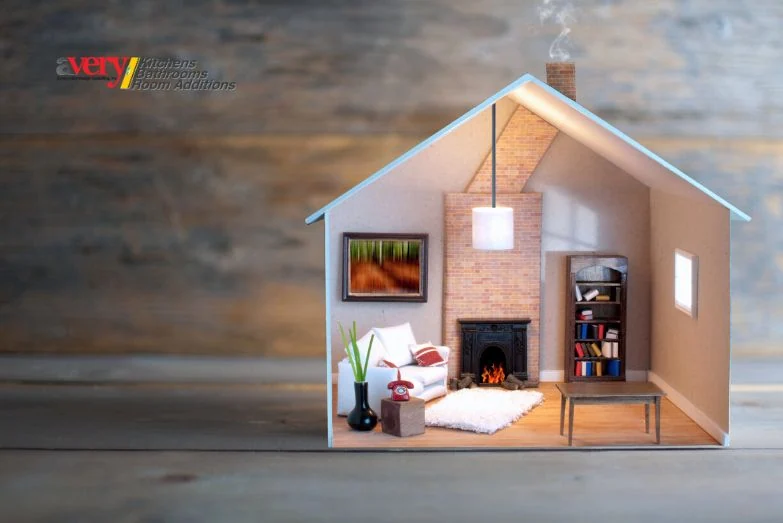
Adding rooms to your house can help you use available outdoor space, create rooms tailored to your needs, consider your home's potential value, explore different room types, and stay in a location you already enjoy. The right addition depends on how you will use the space and how it fits the existing home, with materials, utilities, maintenance, and appearance all part of the planning process.
Why It’s Beneficial to Add Rooms to Your House
A home's condition, usable space, and the housing market can influence its appeal to buyers. Square footage is one consideration, but additional space can also benefit the people who already live there. If your home no longer meets your needs, a room addition may be worth considering.
Five Advantages of Home Additions
Room additions are one way to increase livable space; conversions are another option to consider. Here are five reasons you might choose an addition.
1. Take advantage of unused outdoor space
An addition can put unused space in the front or backyard to work. Consider how the proposed addition will relate to the existing structure, and discuss that relationship with a qualified contractor. The aim is to make useful indoor or sheltered space while retaining room for outdoor activities.
A few additions to consider include:
- A patio with seating and a fireplace where loved ones can gather to enjoy sunsets.
- A porch addition or an enclosure for an existing porch.
- A sunroom with a skylight.
For a sunroom, consider exposure to changing weather, insulation, and whether heating and cooling are needed to support its intended use. These choices should be assessed for the particular space rather than treated as a guaranteed energy-saving solution.
2. Make home improvements that meet your needs
Finding a house that meets every item on your checklist can be a challenge. You may want to remodel some spaces later. A room addition offers a chance to design a functional, personalized space that complements the overall feel of your home.
3. Consider your home’s potential value
Additional usable space may influence a home's appeal and valuation, but square footage alone does not determine the outcome. The property's condition and the housing market also matter.
Bedrooms and bathrooms are examples of usable rooms to consider, including a bathroom remodeling project. Do not assume every finished area will be counted the same way for valuation purposes; how spaces such as basements and attics are treated needs to be checked for the particular property. An addition should not be treated as a guaranteed increase in value.
4. Explore a wide range of options
Room additions can serve many different purposes. Options include:
- A living room with built-in shelves and a reading nook that can serve as a mini library.
- A separate dining room if your home does not already have one.
- A games room or playroom.
- An additional bedroom that can serve as a guest room or an extension of the primary bedroom.
- A home office that offers privacy.
- A walk-in closet to help declutter other rooms.
5. Avoid the hassle of moving
Sometimes a room addition can make the house you already live in work better for you and your family. This may be especially appealing when the location, schools, and nearby amenities already suit your needs.
Staying in place may help you avoid relocation tasks such as:
- Redirecting your mail.
- Switching schools.
- Looking for a new energy supplier.
- Arranging legal paperwork associated with a move.
- Reviewing insurance coverage for a new home.
- Organizing the move itself.
An addition also offers a chance to choose features that suit your personality and style. It can address a specific need, whether that is an extra bedroom, a playroom, or a half-bath for a larger household. Whether it is preferable to moving depends on your circumstances.
Room Additions: Scope and Material Considerations
Room addition requirements vary with the type and number of rooms, location, materials, contractor, and number of floors involved. During planning, consider suitable building materials and the degree of customization needed. These choices should support the intended use of the space.
Room Additions: Planning Considerations
Before proceeding with a room addition, consider:
- Functionality: Make sure the addition meets a specific need.
- Utilities: Account for the utility demands that come with additional rooms.
- Maintenance: Consider the upkeep the new space and its materials will require.
- Aesthetics: Think about the room's location and how it will fit the appearance of your home.
Planning a Room Addition
Adding a room to your house is a significant improvement project that calls for careful planning and appropriate expertise. If the addition involves a kitchen or bathroom, include those needs in your planning discussion.